UX Design Portfolio
A leading South African meal kit delivery service. Offering includes a wide range of prepackaged meals designed by professional chefs, as well as a range of fine wines to pair with every dish. They are revolutionising the way South Africans eat by educating users about where their food comes from and how they can support small businesses and farmers.
UX/UI designer appointed to collaborate with the brand management team on the design strategy and solving top-level problems of the user experience.
Increase the sales of Add-On products among weekly meal kit subscribers.
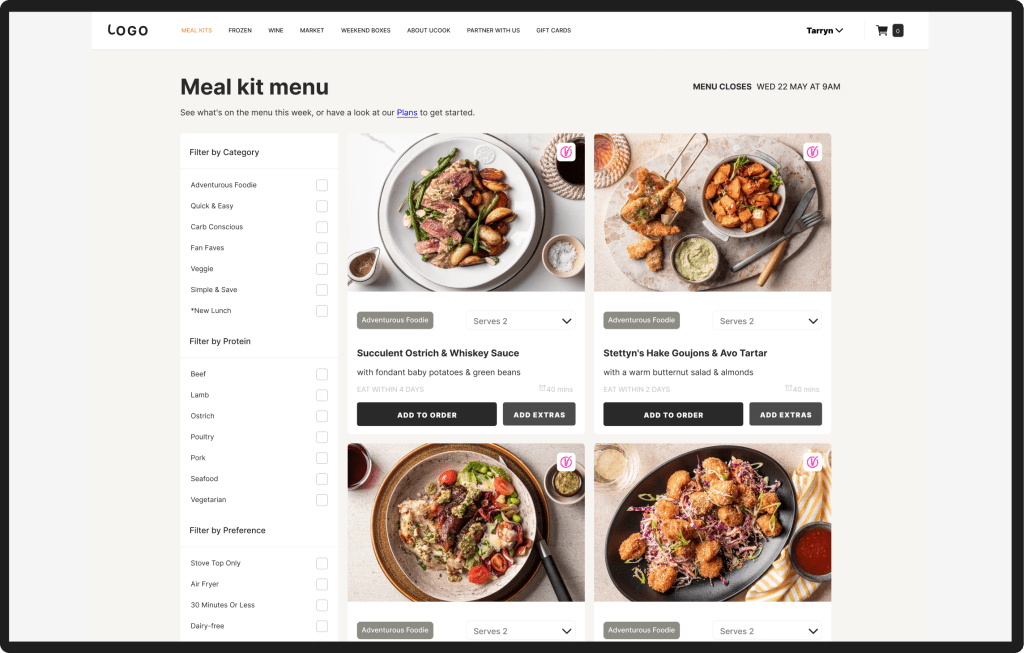
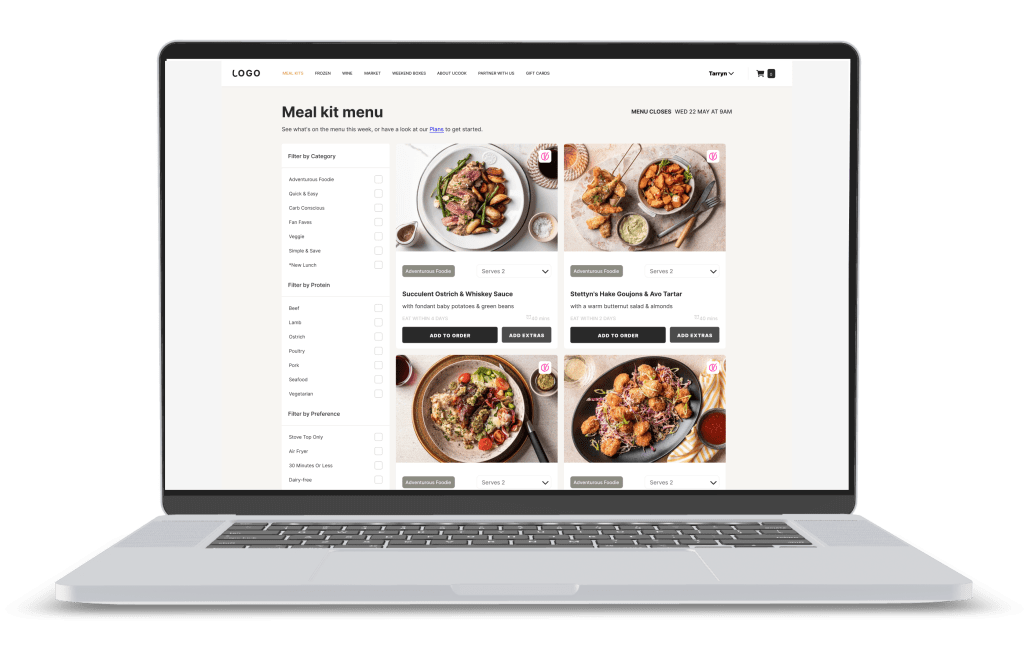
Only 20% of the client’s weekly meal kit subscribers are actively adding Extras/Add-Ons to their carts along with their meal kit selections.
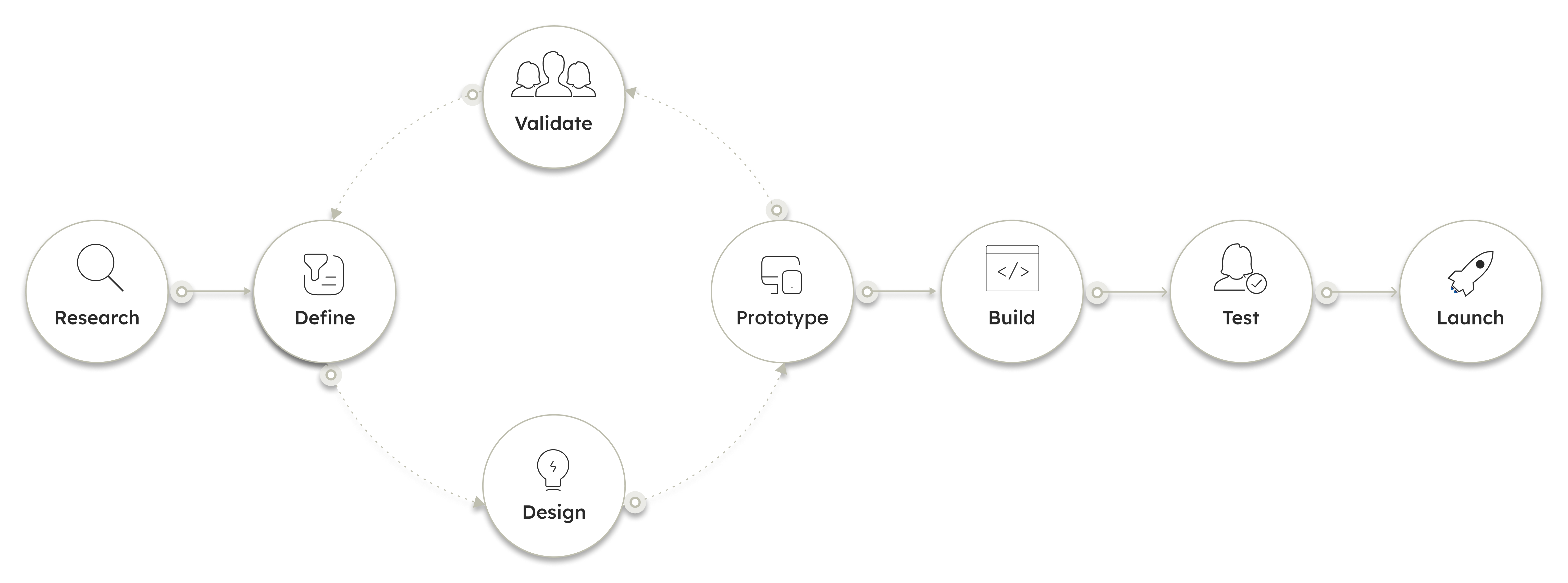
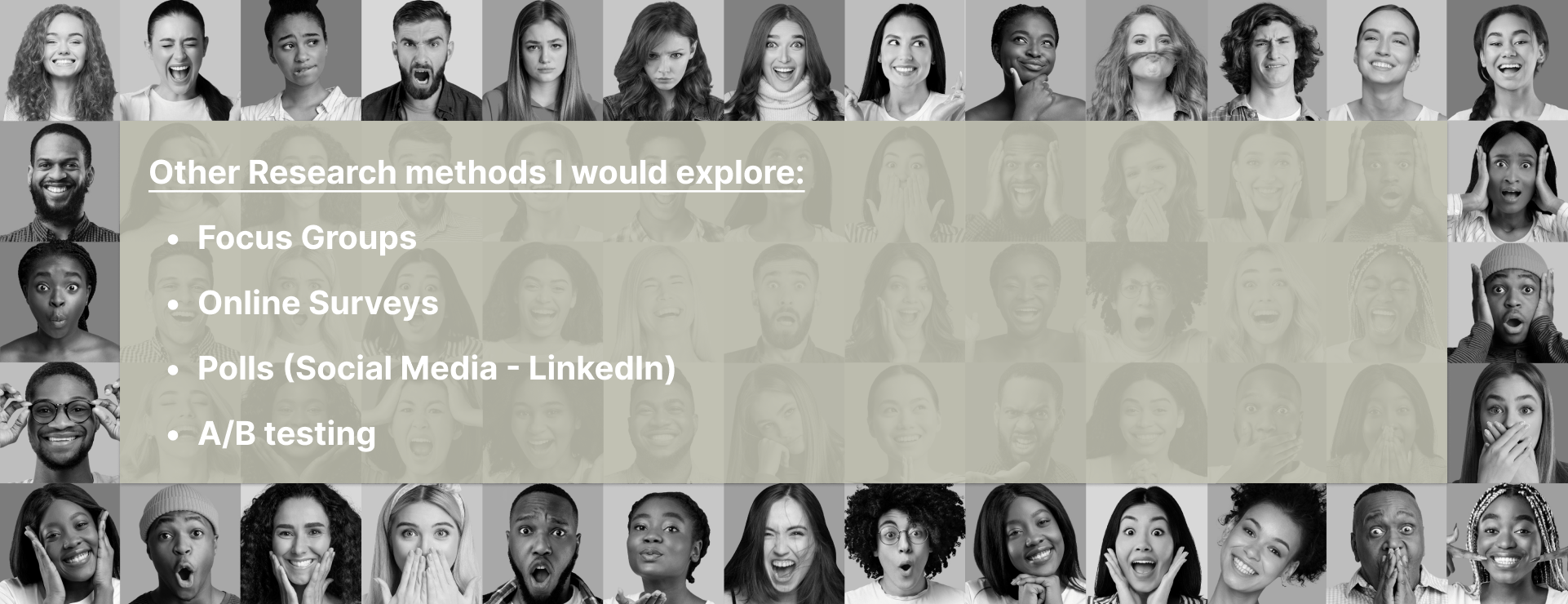
This case study outlines my proposed research plan and design process for tackling a specific challenge. While actual user research wasn’t required for this case study, I focused on outlining a strong approach that would support the project, business, and product team objectives.
Focus: Analyse user behaviour and gather insights to improve the discoverability and appeal of the client’s extras/add-on products within the desktop website experience for weekly meal kit subscribers.
Hypothetical Scenario
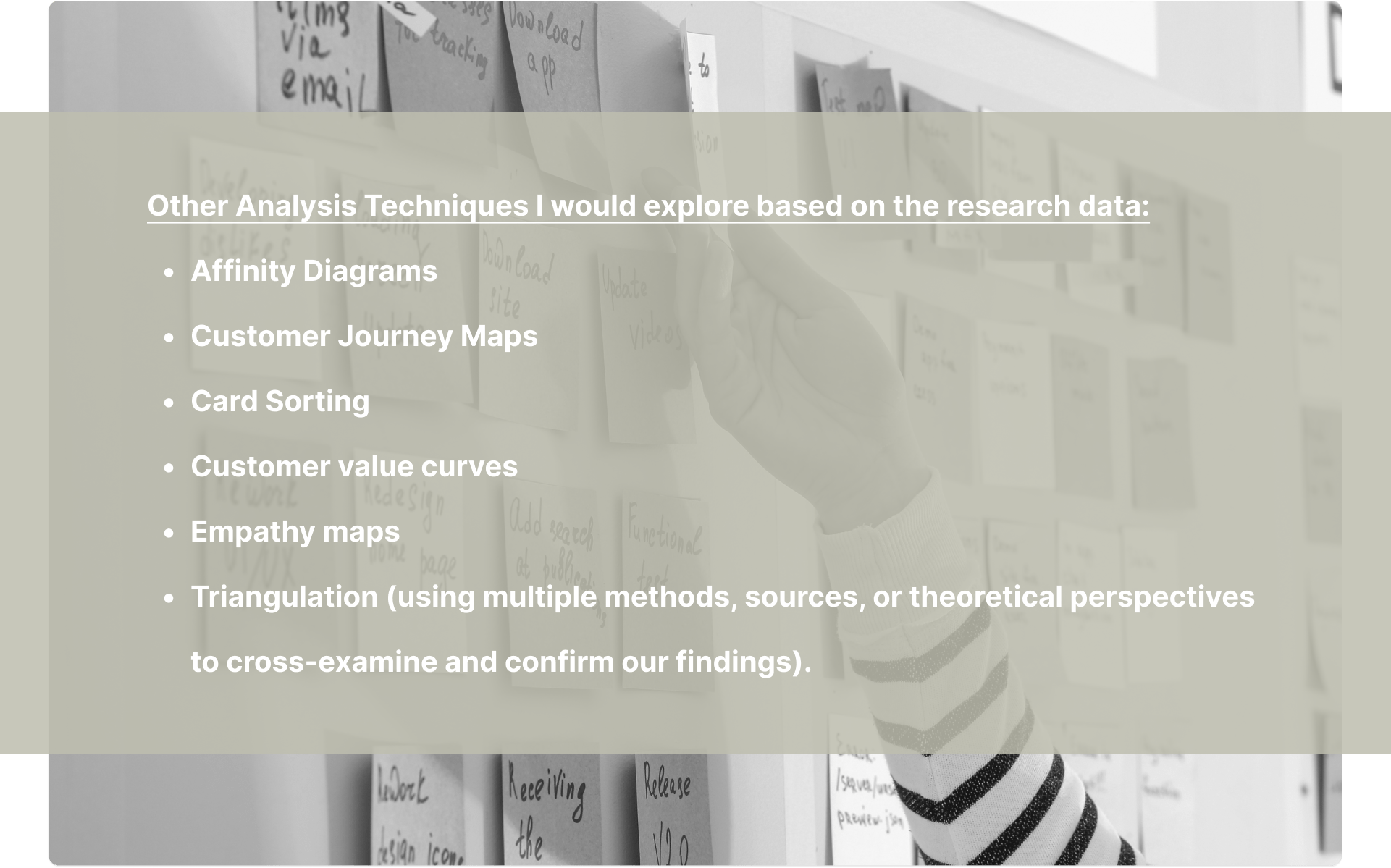
Methodologies:
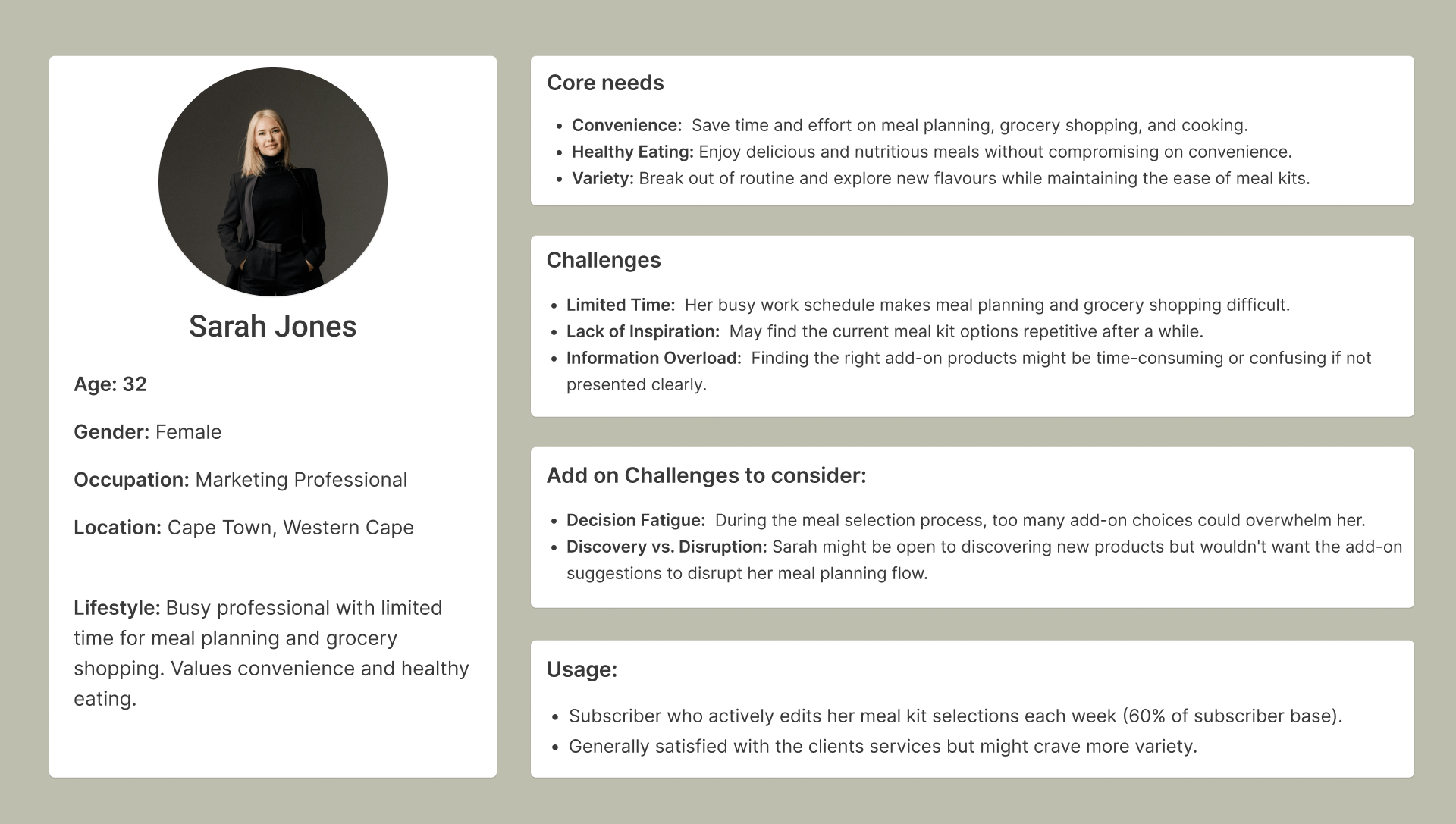
User Personas:
Building Empathy Through User Personas
To craft an exceptional user experience, we need to truly understand the people we’re designing for. User personas are fictional characters built upon real user data, helping us develop empathy for the client’s diverse user base. Here’s how quantitative data fuels the creation of these personas.
Here’s how user personas inform KPI development:
These are illustrative examples. Realistically, KPIs should be set based on industry benchmarks and historical data. However, this demonstrates how user personas can be used to define specific, measurable objectives that drive positive outcomes.
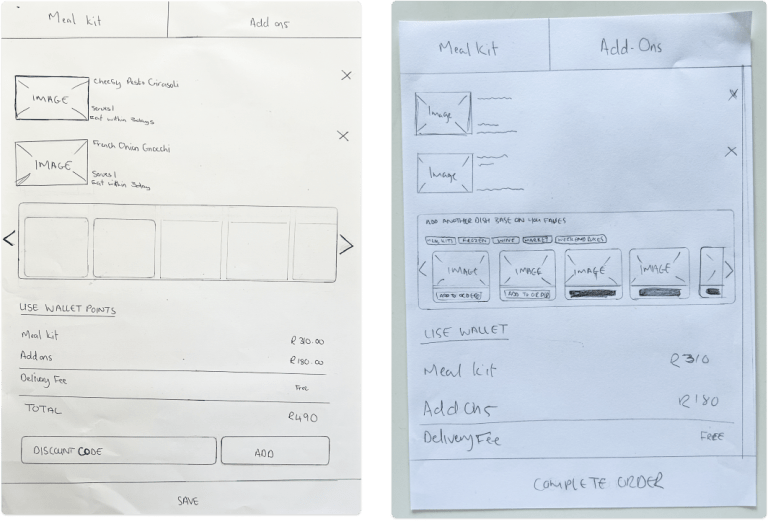
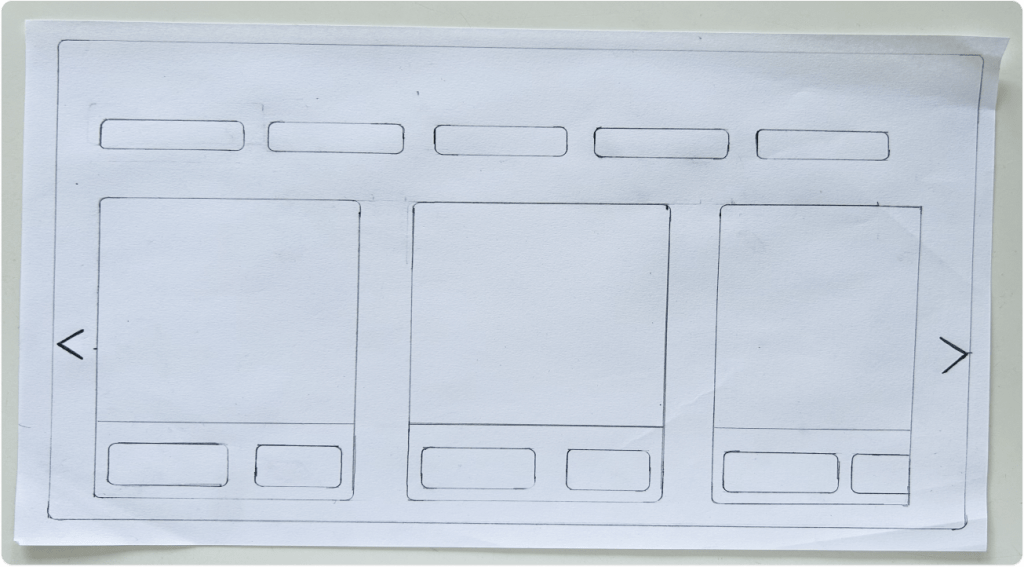
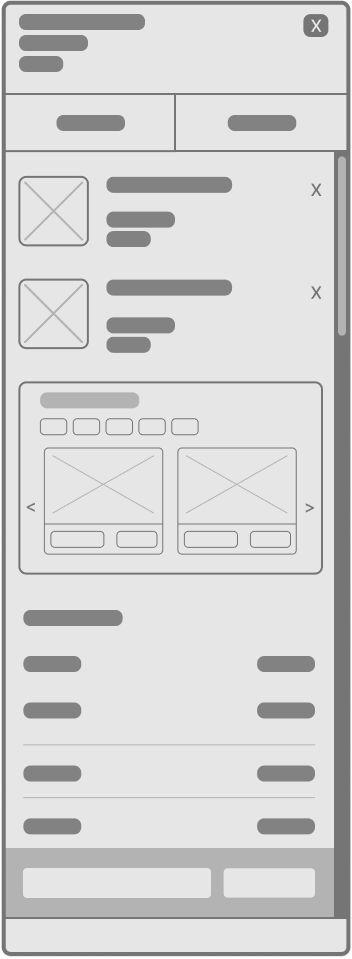
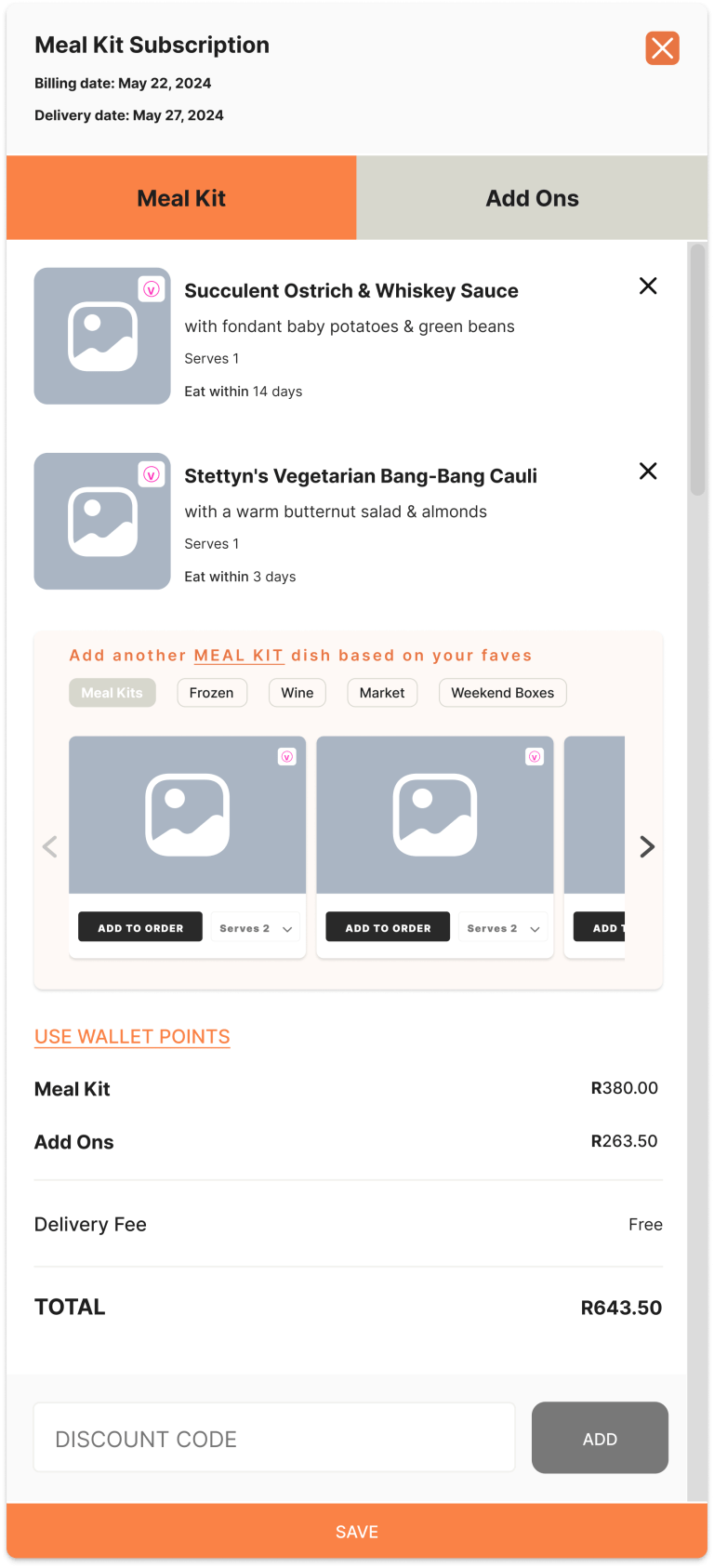
Low-fidelity wireframe sketches allow for rapid exploration and iteration of design ideas. These rough representations help visualise interface elements and layout structures quickly, facilitating collaborative discussion and feedback. They prioritise functionality and usability over aesthetics, serving as a tangible starting point for refining design concepts.
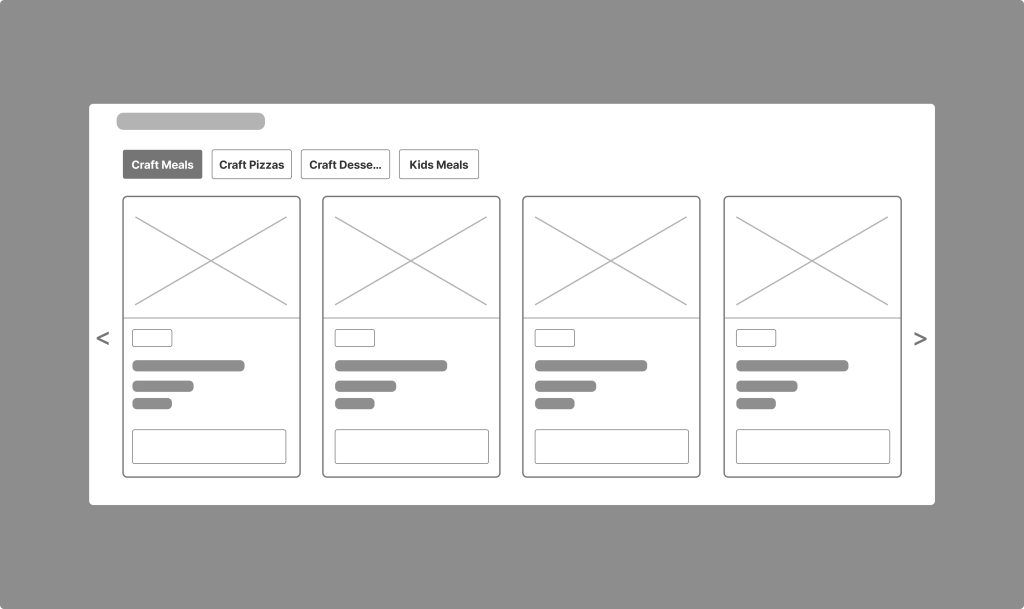
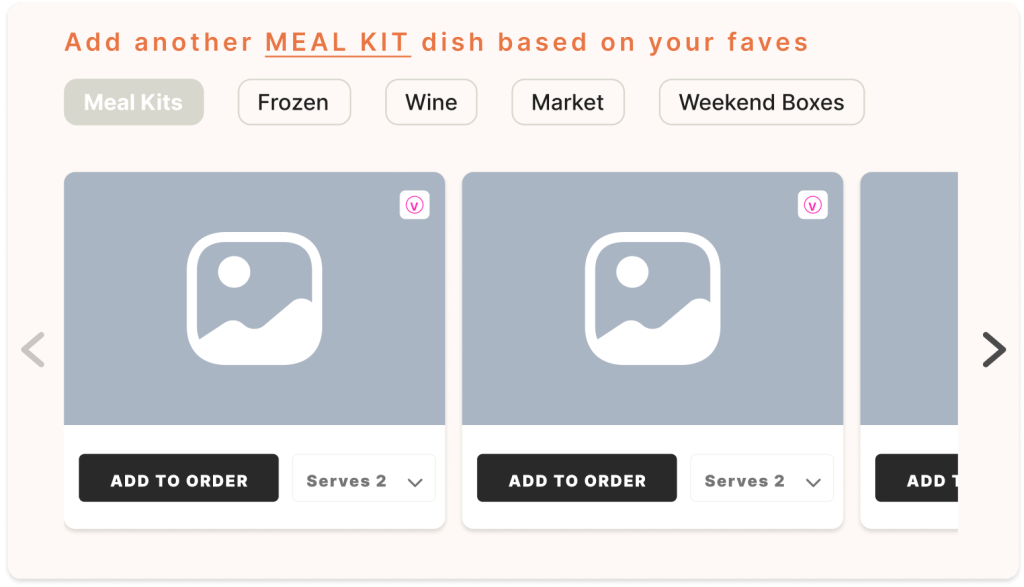
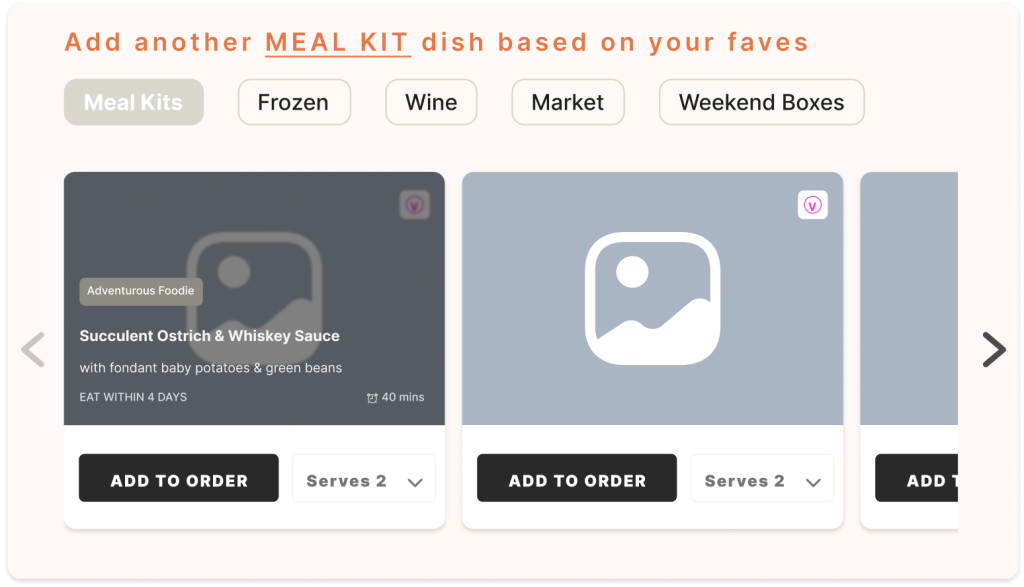
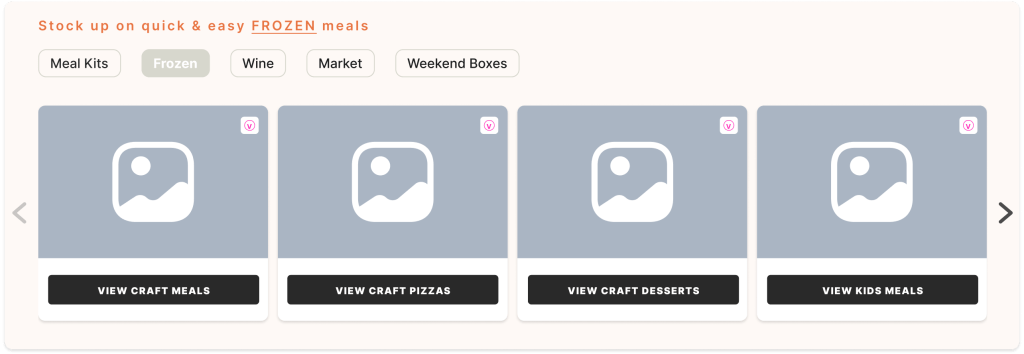
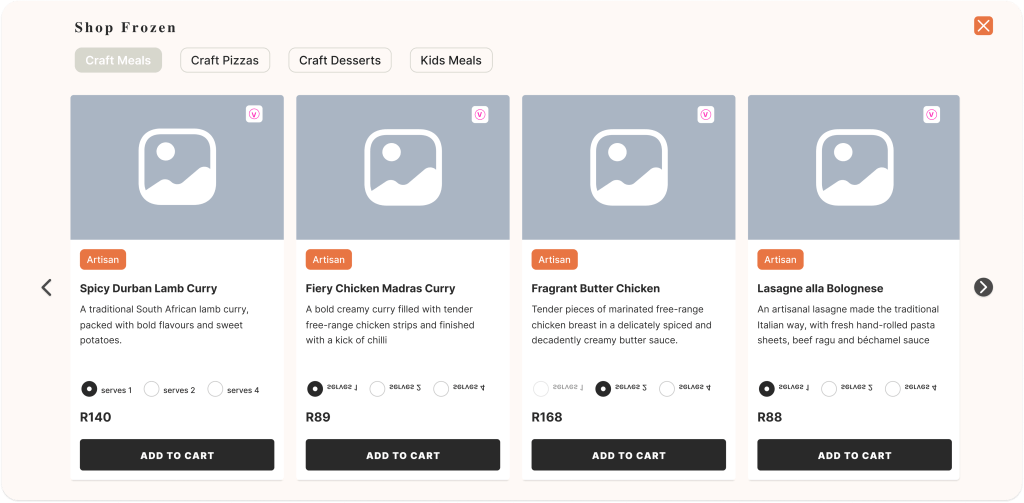
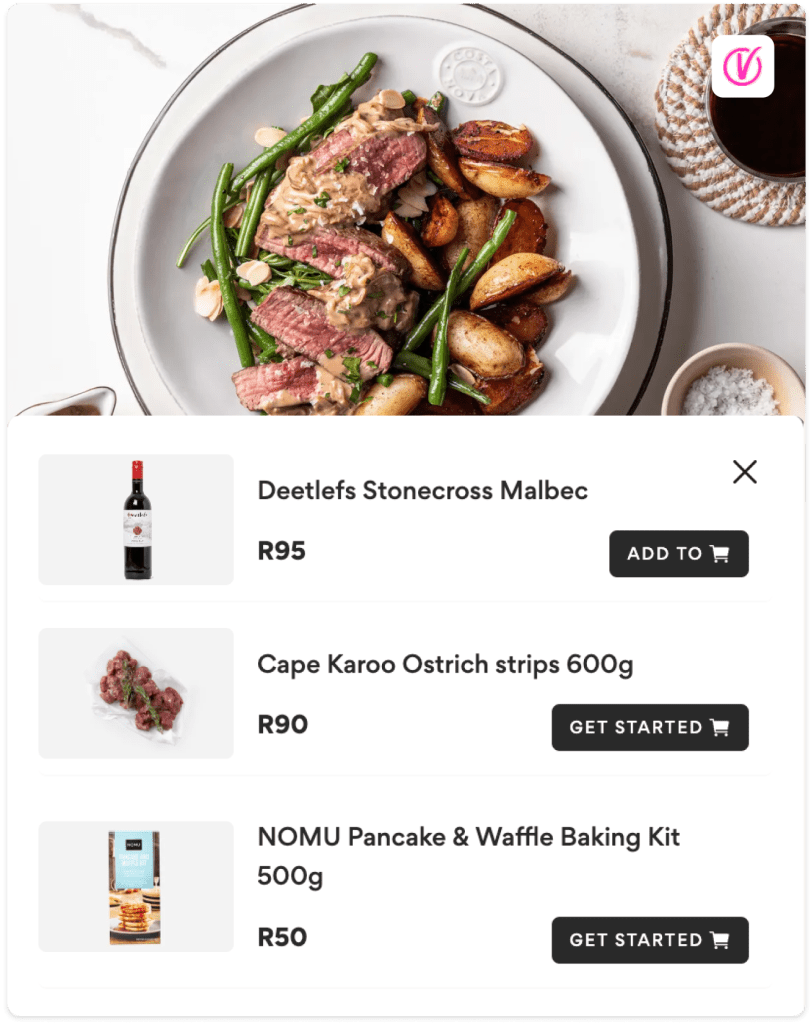
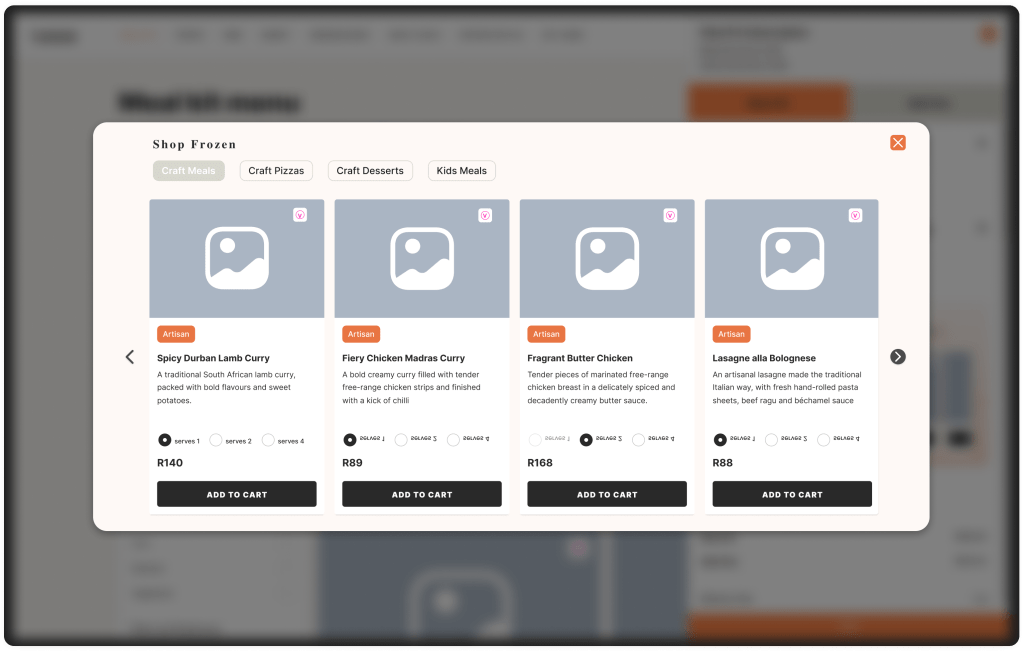
Pop-up modals are linked to the following product categories:
Frozen
Wine
Market
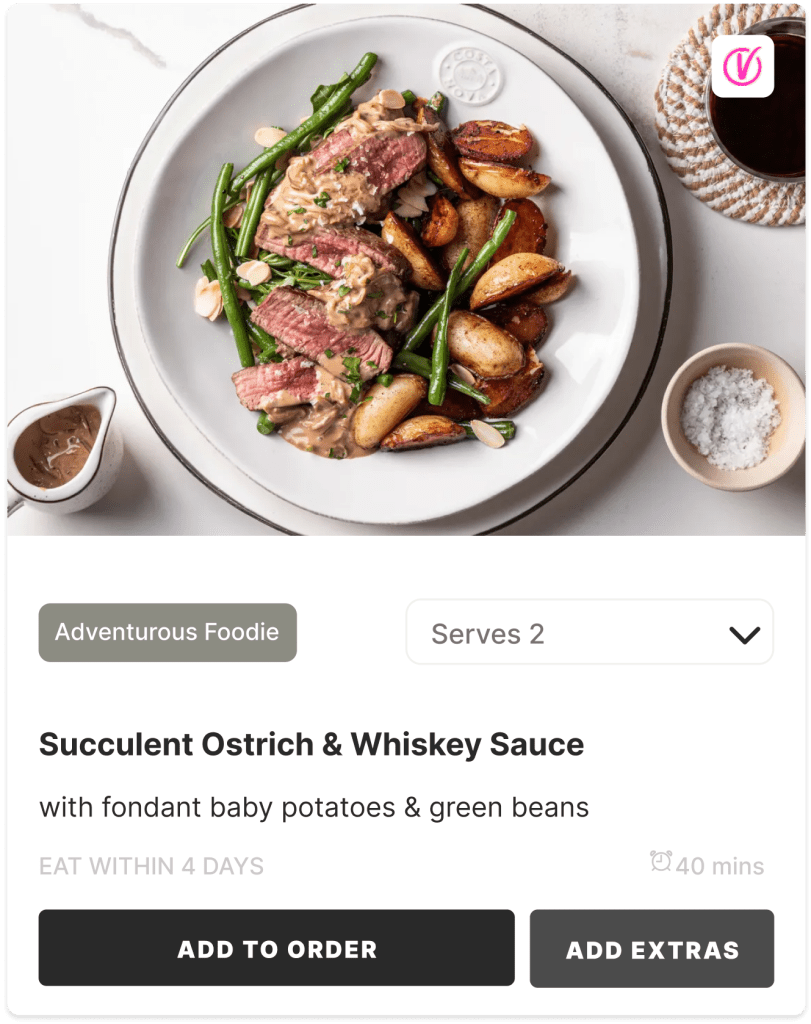
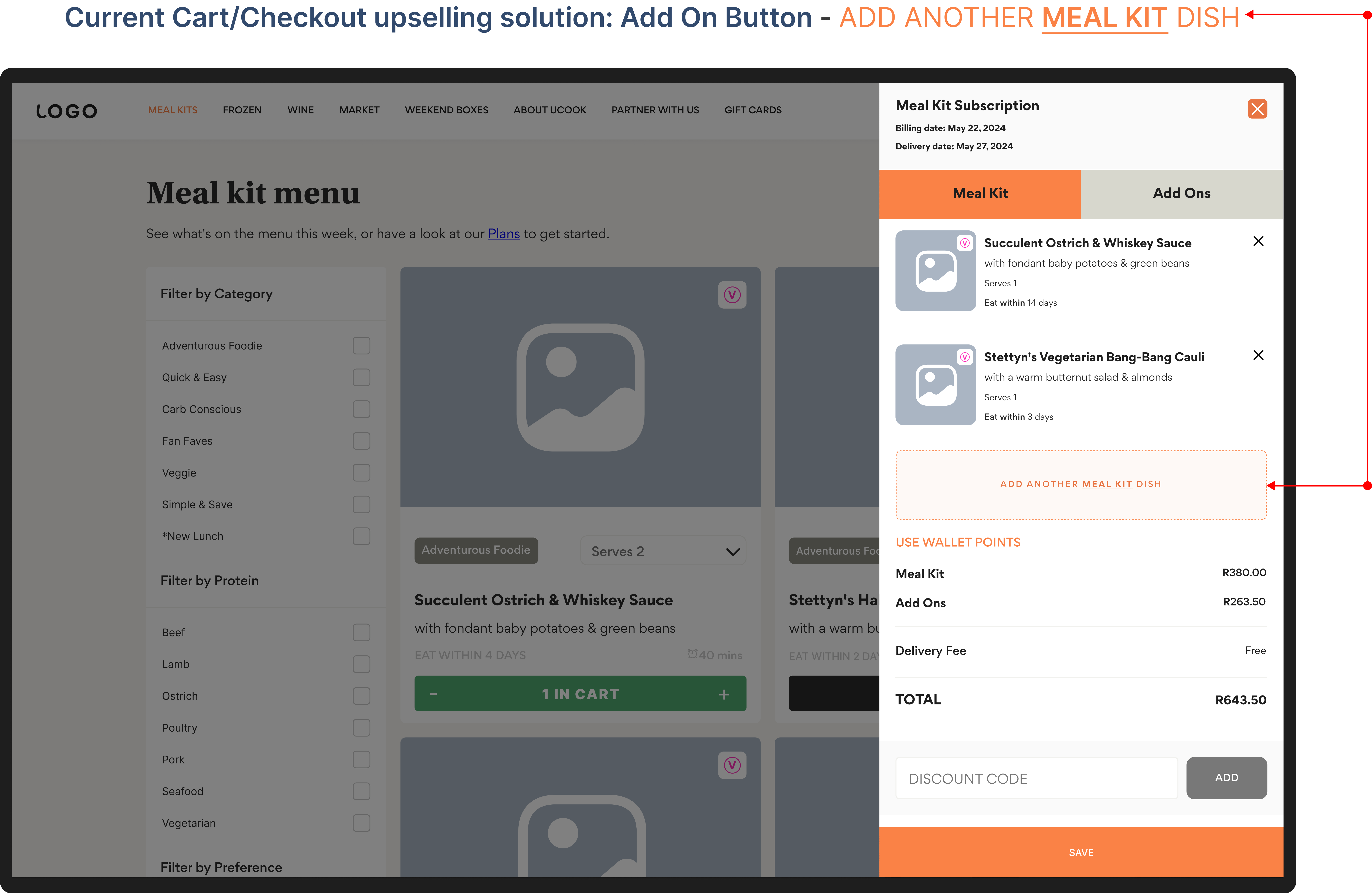
Limitations imposed by the ‘Add Another Meal Kit Dish’ button in the cart/checkout process:
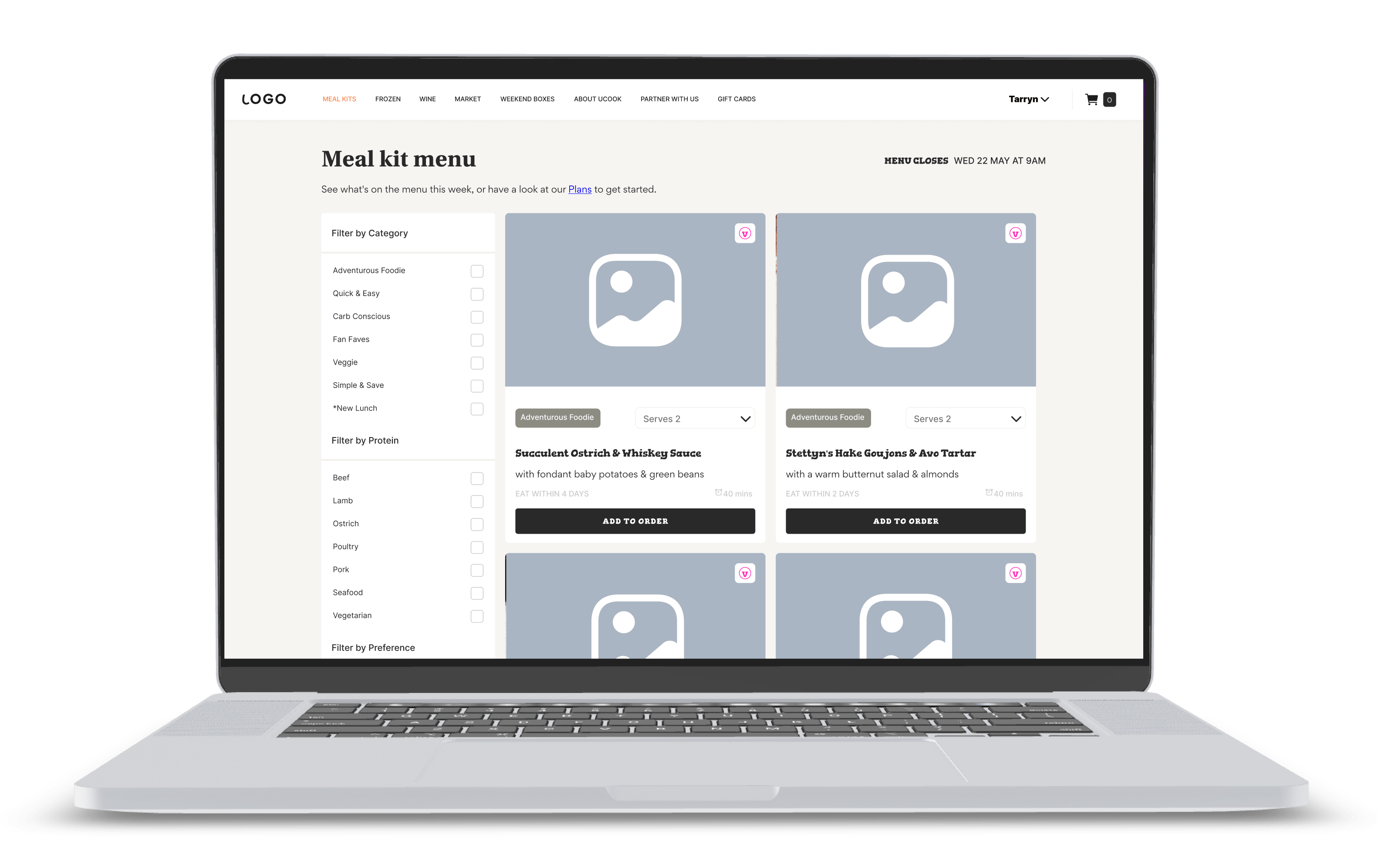
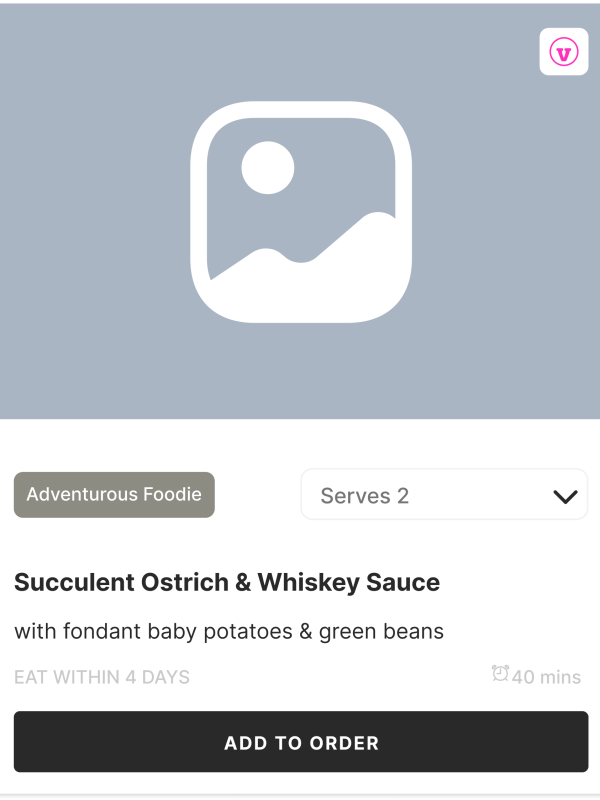
Remove the ‘Add Extras’ button with a ‘pop-up modal’ from the card.
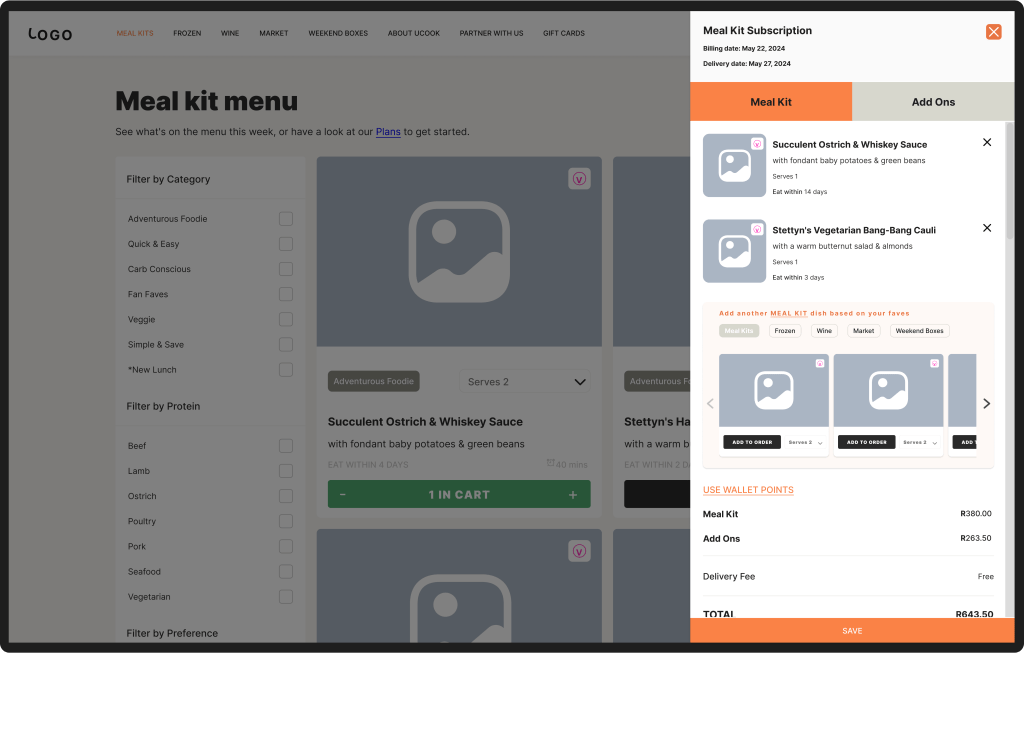
Make Add-ons available in the Cart component/ Checkout process.
Limitations addressed:
While it’s difficult to predict a definitive quantifiable impact without access to the business’s specific data. We can consider some hypothetical scenarios based on industry averages and potential user behaviour changes:
Scenario 1:
Increased Add-on Visibility
Hypothetical Impact:
Scenario 2:
Upsell Opportunity and Average Order Value Increase
Hypothetical Impact:
Important Note:
These are hypothetical scenarios, and the actual impact would depend on various factors specific to the business, such as:
However, these scenarios illustrate the potential for a carousel card menu to significantly increase add-on visibility, upsell opportunities, and overall revenue. By A/B testing the new design with a control group, the business can measure the actual impact on user behaviour and quantify the improvements.