Case Study

Online Hotel Booking Experience

Overview

Amidst the activity in the thriving hospitality industry, a new hotel group emerged, eager to make its mark. However, their online presence was non-existent, hindering bookings and brand awareness.

Established players dominate the online world, but their booking processes are often intricate and overwhelming. In contrast, potential guests are constantly searching for simpler, more intuitive experiences to book their dream stay.

My Role

UX Designer and Researcher, determined to uncover the secrets to a successful online experience to bridge this gap.

My Mission

Create a simple and accessible online booking experience based on a deep understanding of their target users. Establishing a new hotel group as a leading player.

Approach

I set out on a journey of discovery, delving deep into the needs of potential guests.

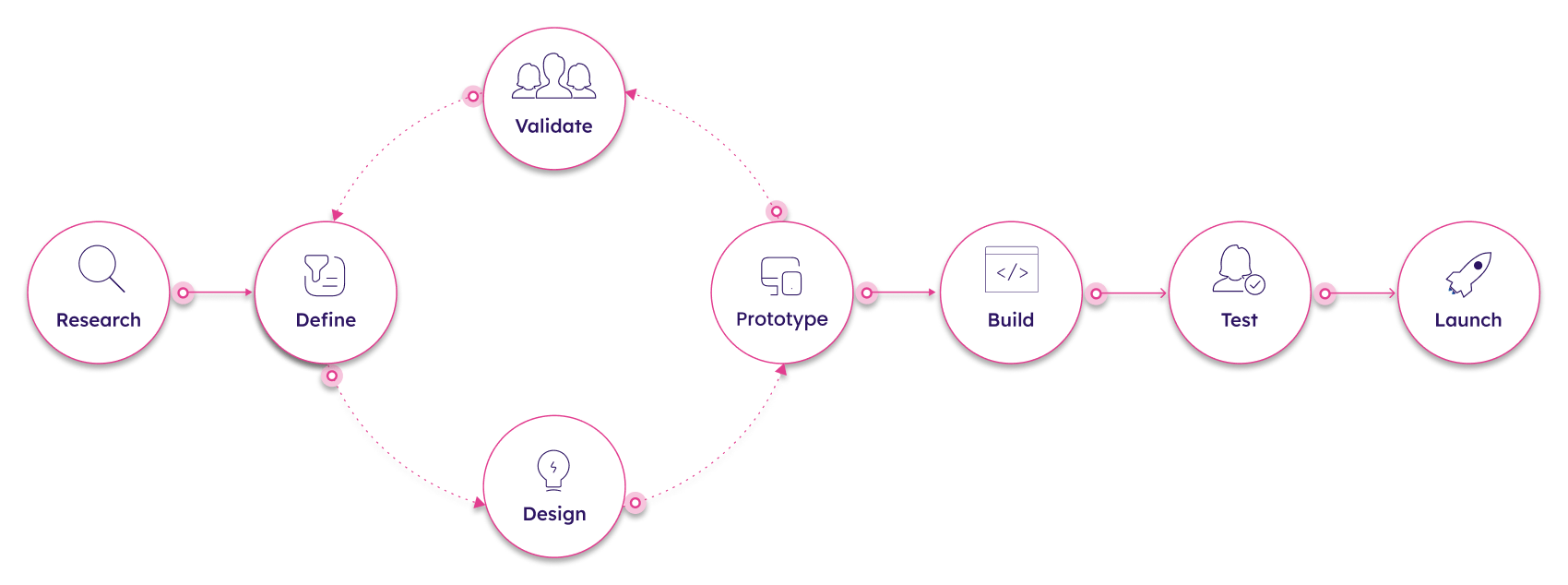
Following the design process outlined below, I was able to ensure that the vision was clear, the product was visualised in high fidelity, the process had a natural structure, ideas could be iterated within budgets, and success factors could be considered in equal measure.

My Process

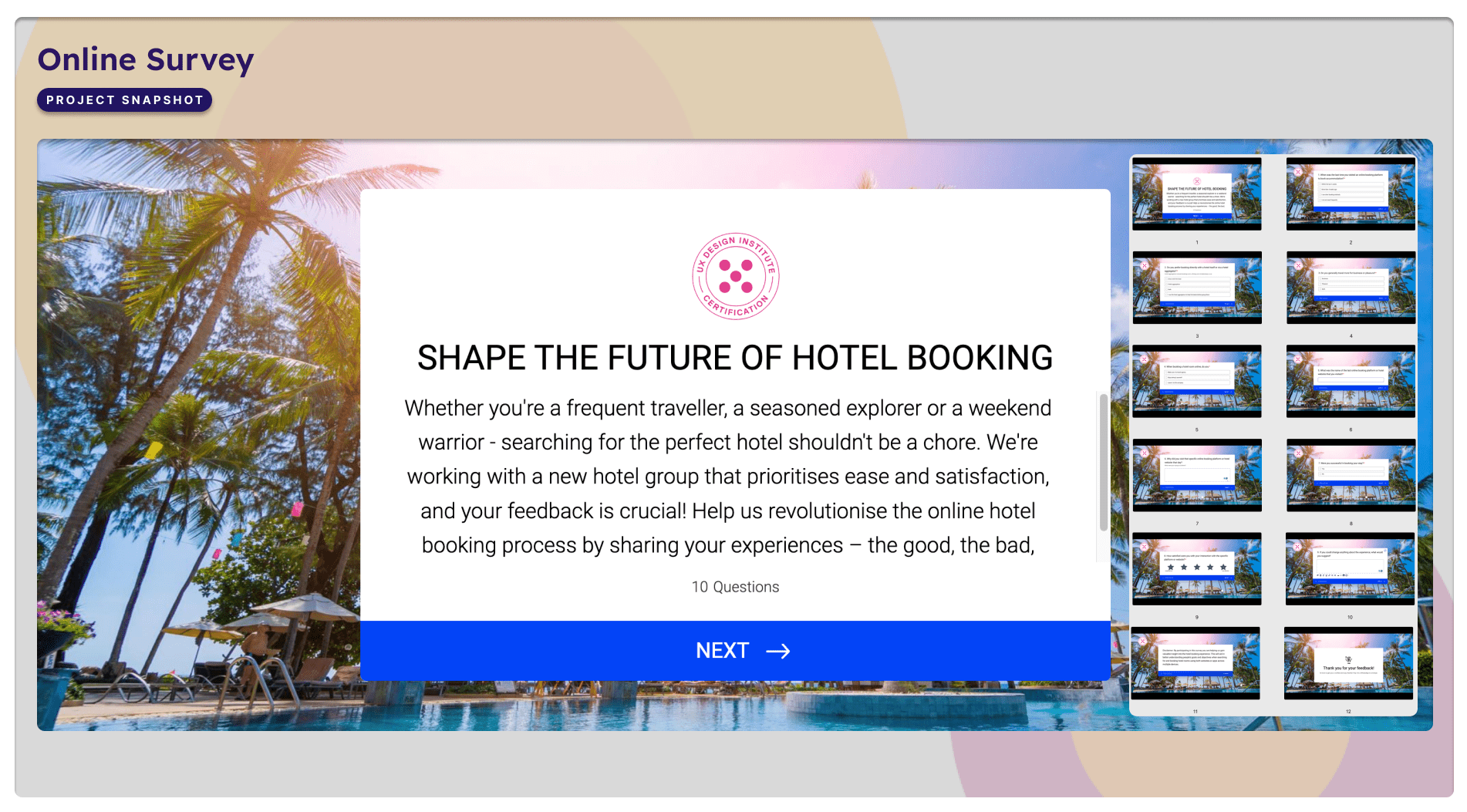
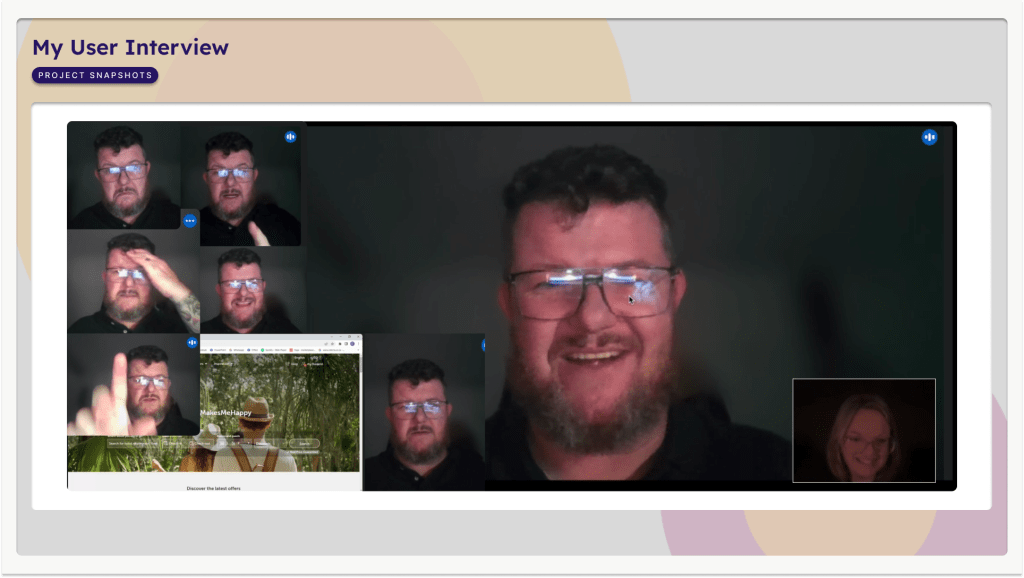
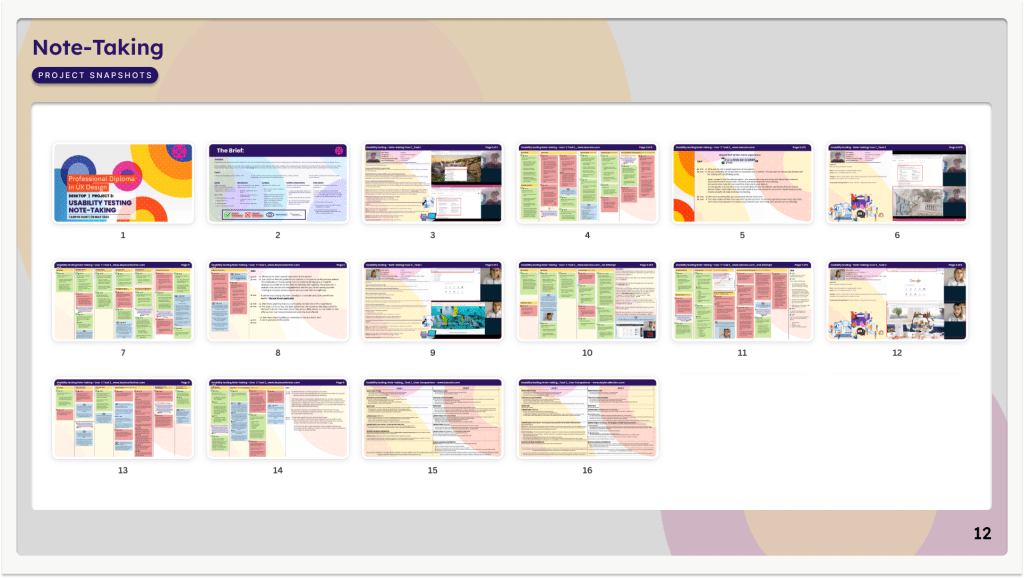
Using a combination of qualitative and quantitative methods including online surveys, usability testing, user interviews and detailed note-taking. I was able to gain a holistic view of the target user’s goals, behaviours, and the context in which they interact with online hotel booking platforms.

The magic of UX Research is understanding users on a deeper level, seeing not just the data points, but hidden stories within. 

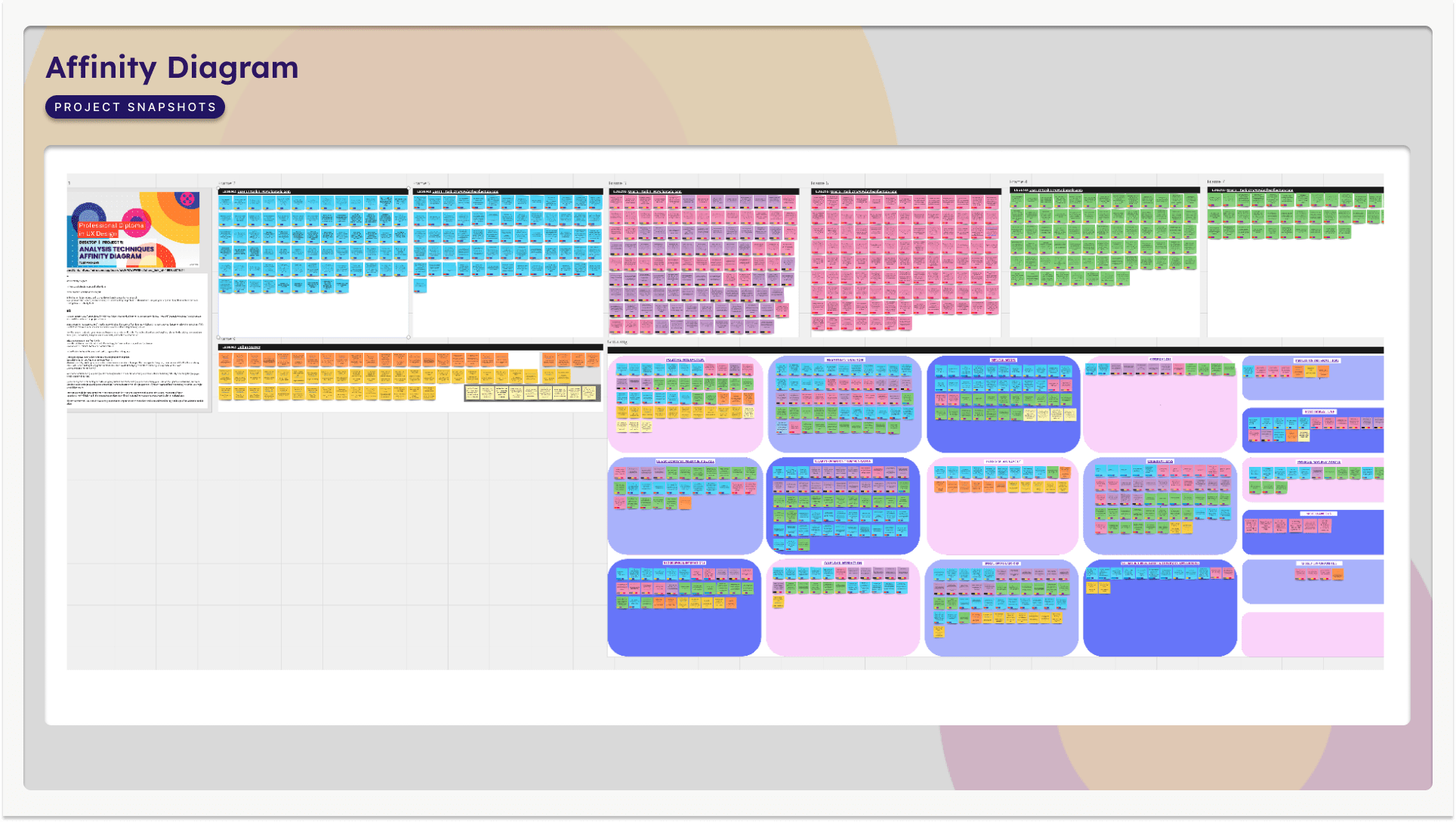
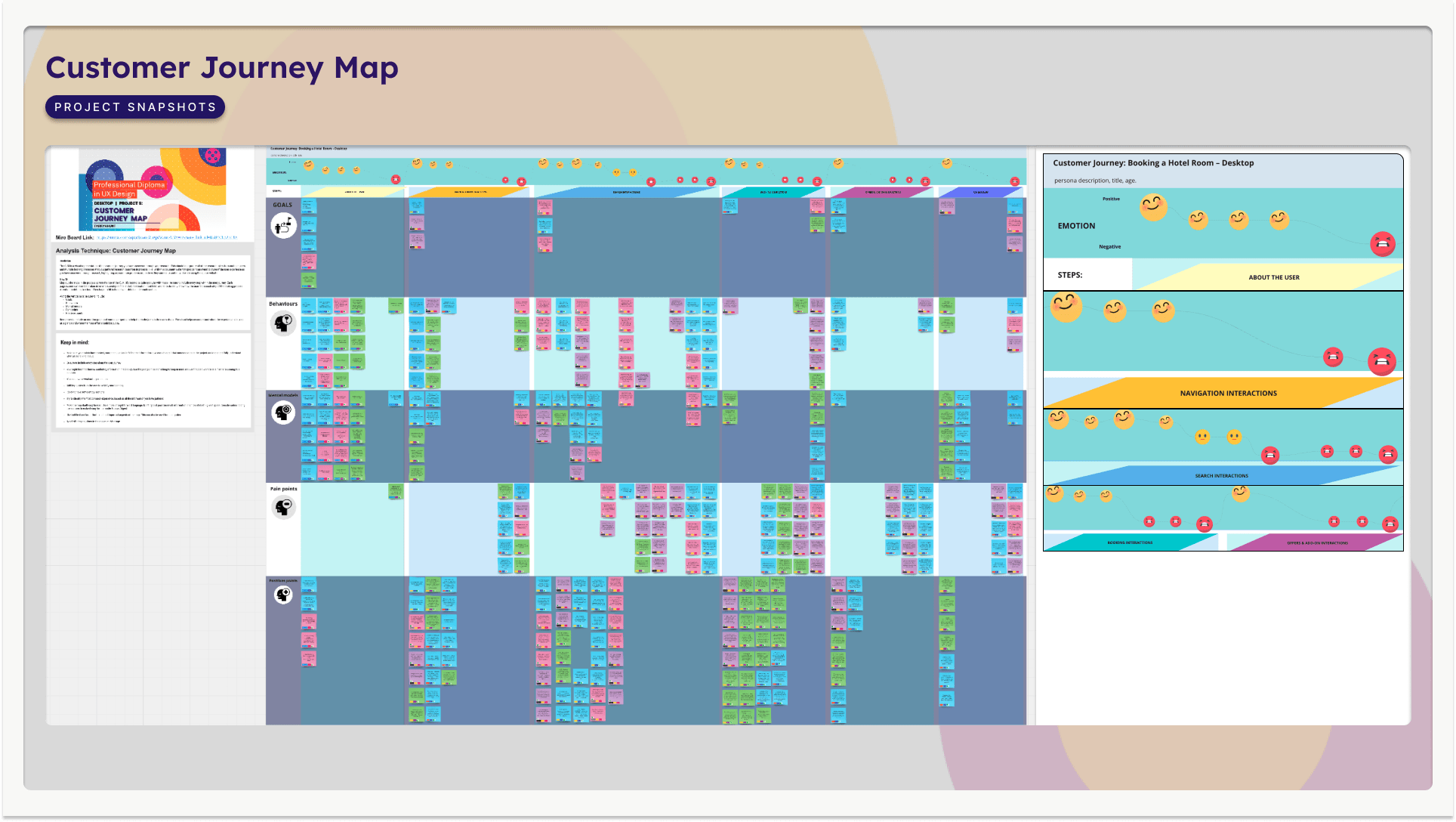
With a substantial amount of insight at my disposal, I took a deep dive into the research data collected. Using affinity diagramming, customer journey mapping and card sorting patterns started to emerge, highlighting user frustrations with counter-intuitive interfaces.

Opportunities for improvement presented themselves with the need for clarity and ease of use.  

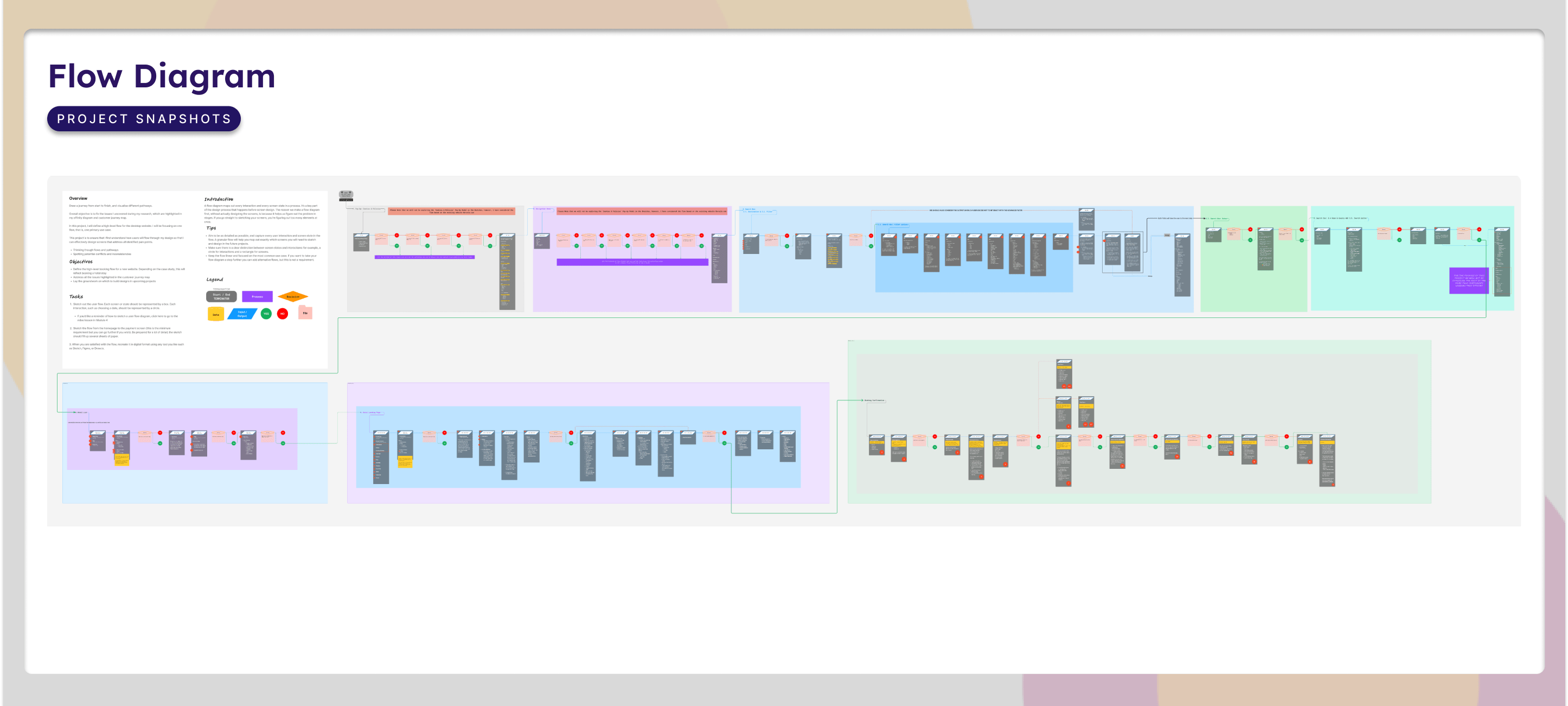
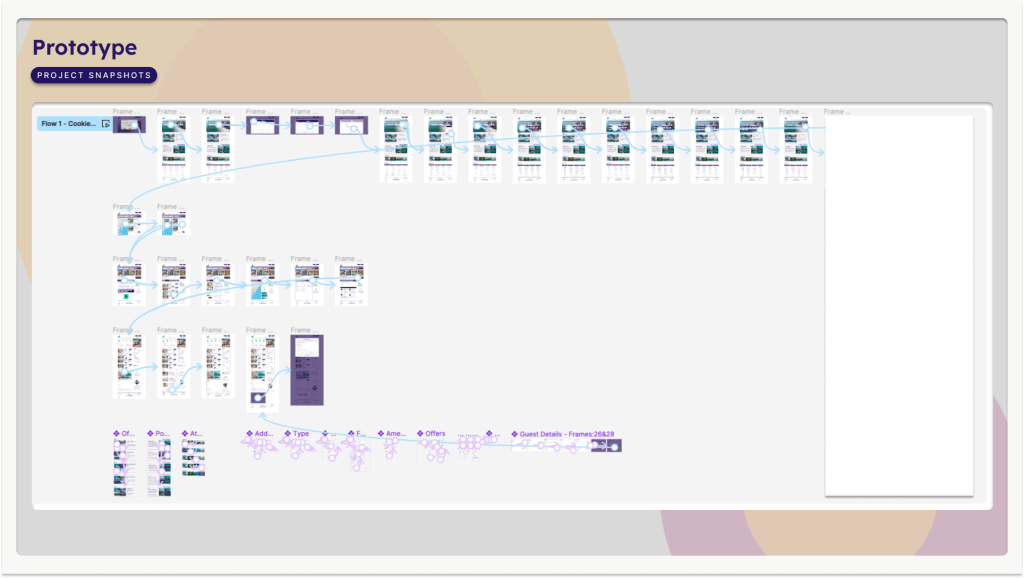
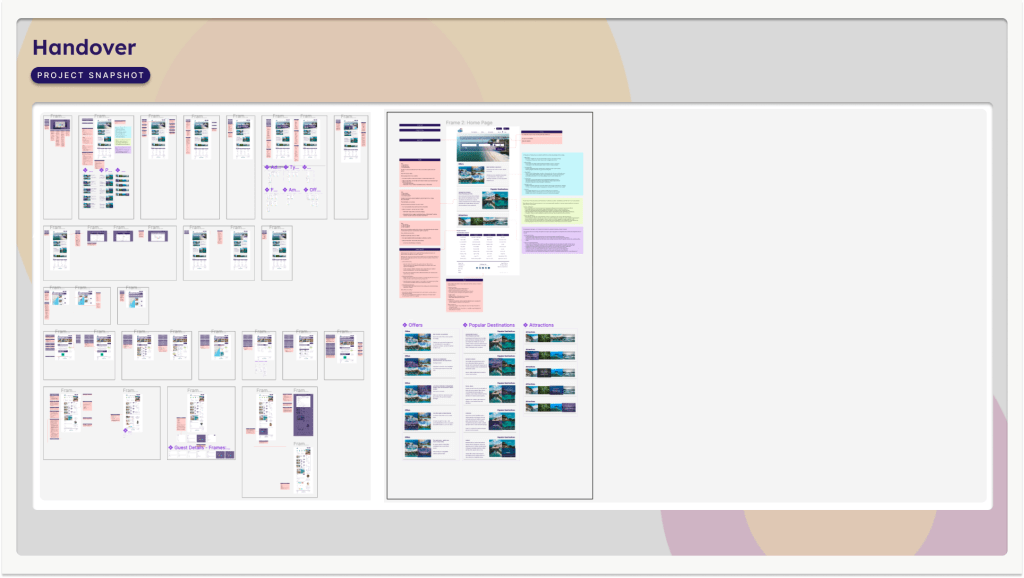
The design phase became my creative playground. I meticulously crafted user flows, information architecturewireframes, and prototypes, each iteration guided by the user’s perspective.

Simplicity and clarity my guiding principles, ensuring a seamless hotel search and booking experience for all, from tech-savvy millennials to digital nomads, and for those who prefer a more traditional, straightforward approach.

Results & Potential Quantifiable Impact

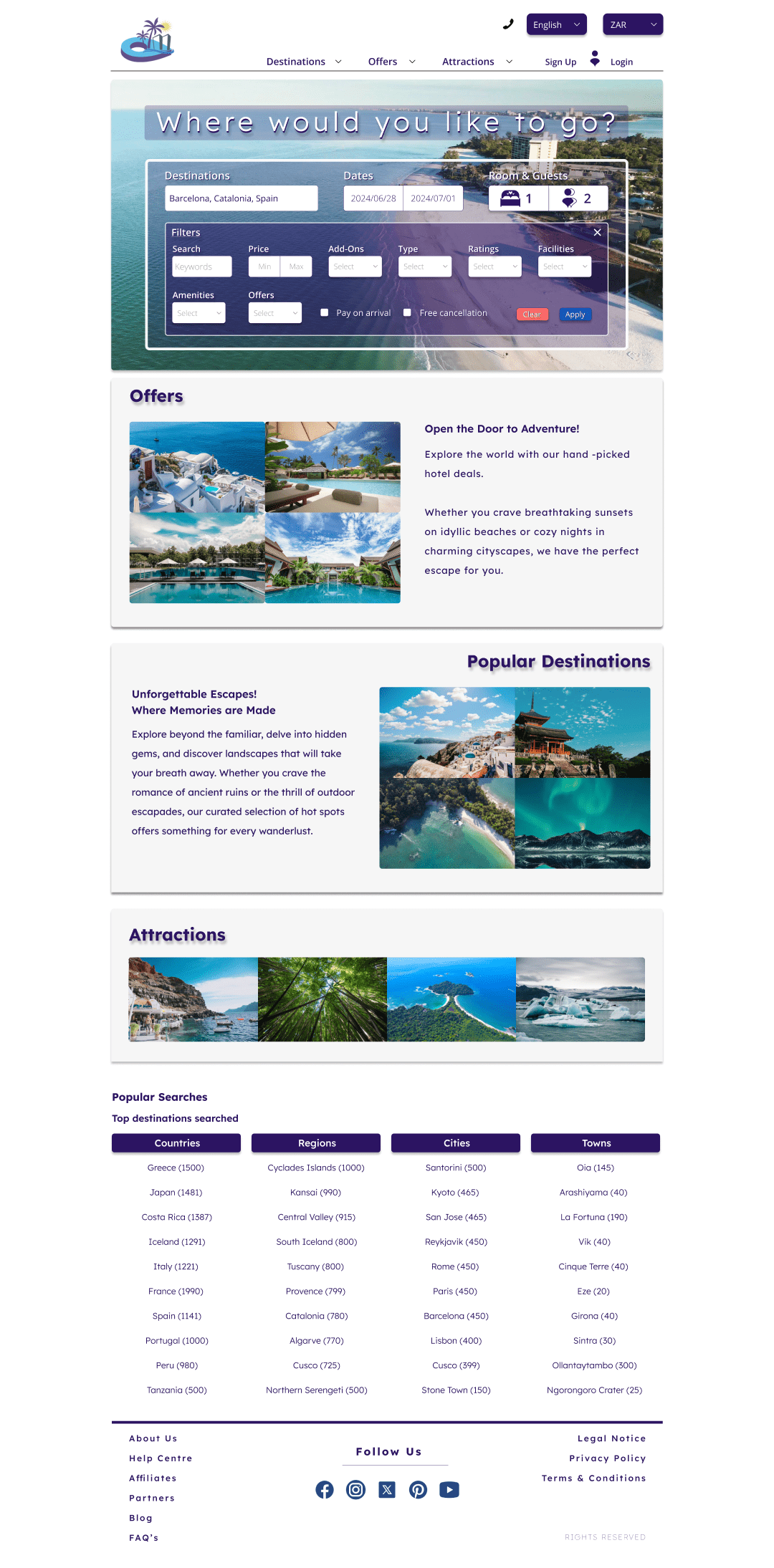
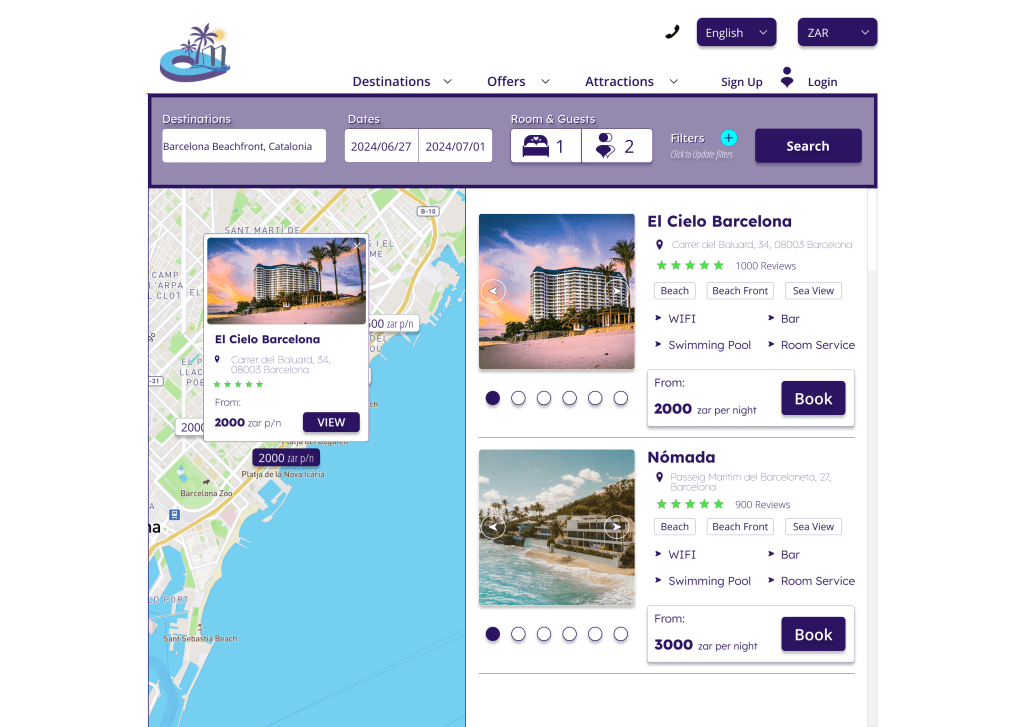
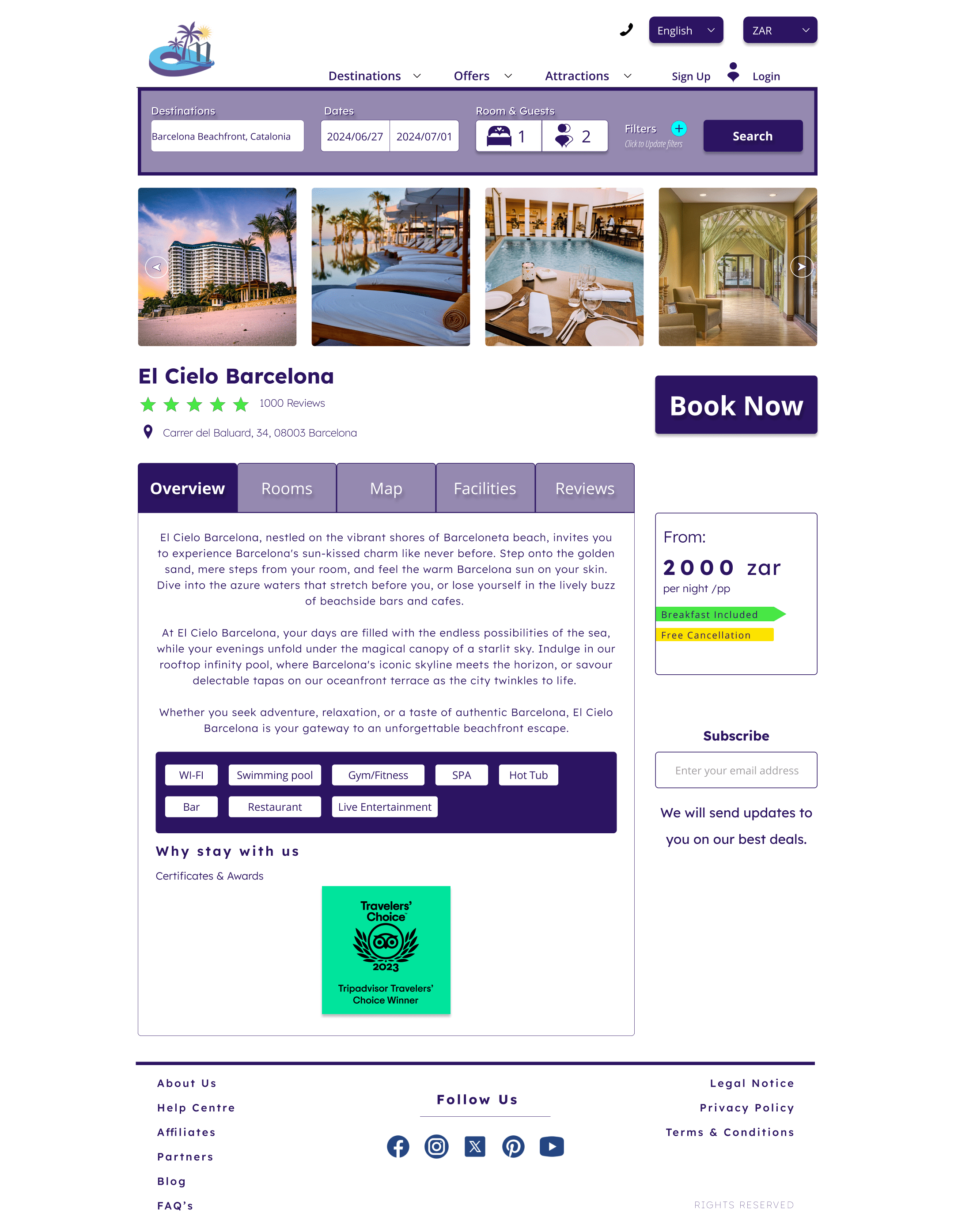
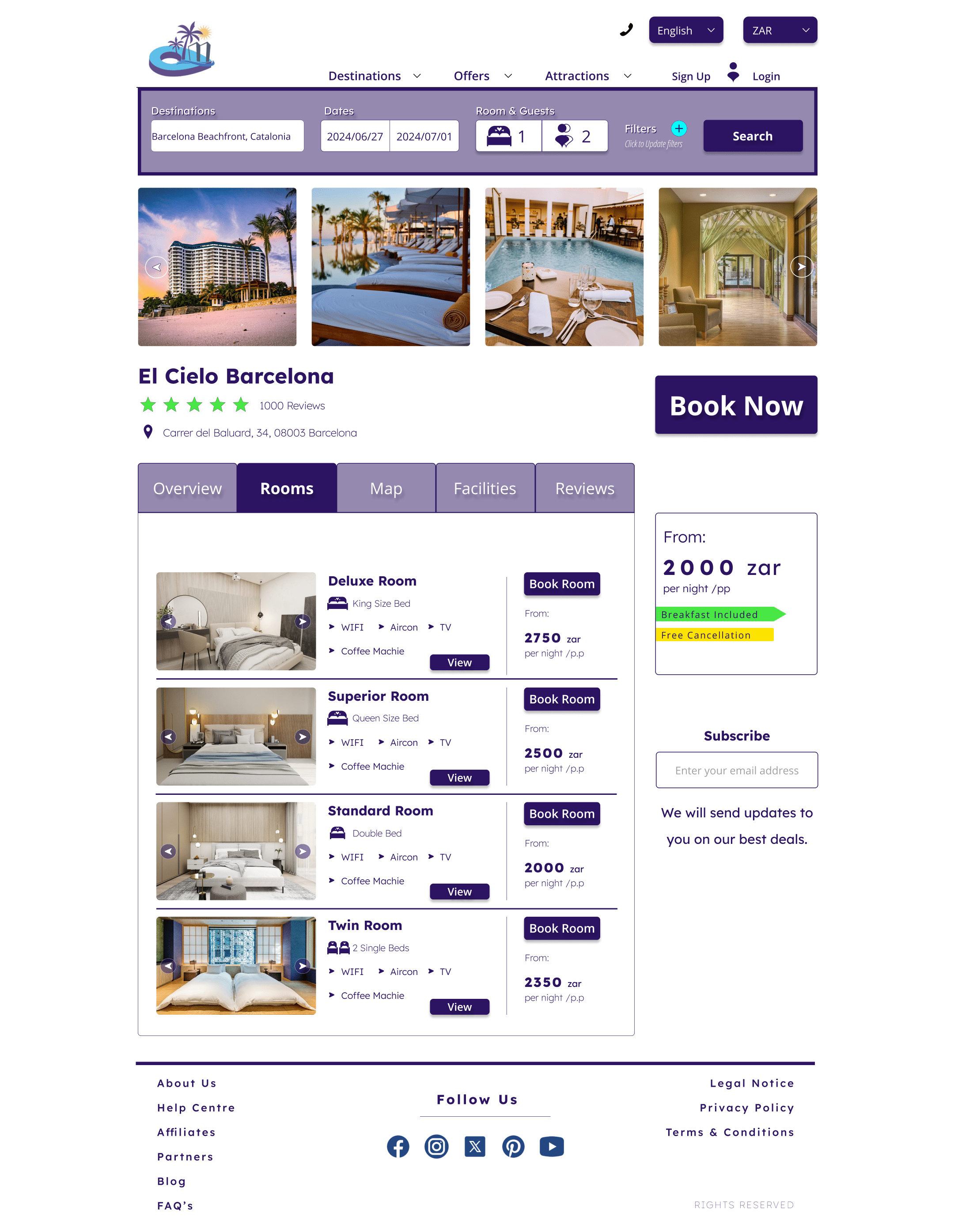
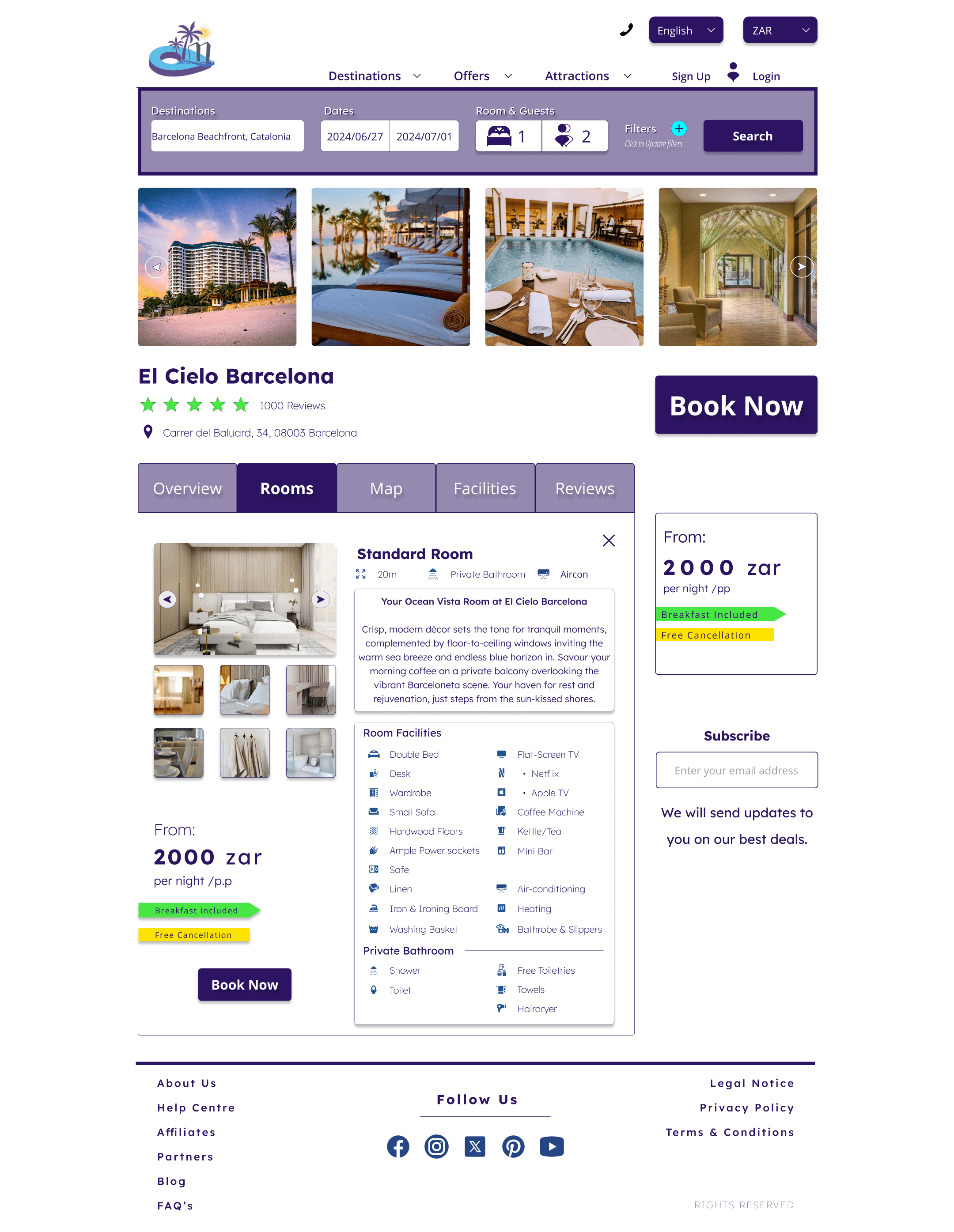
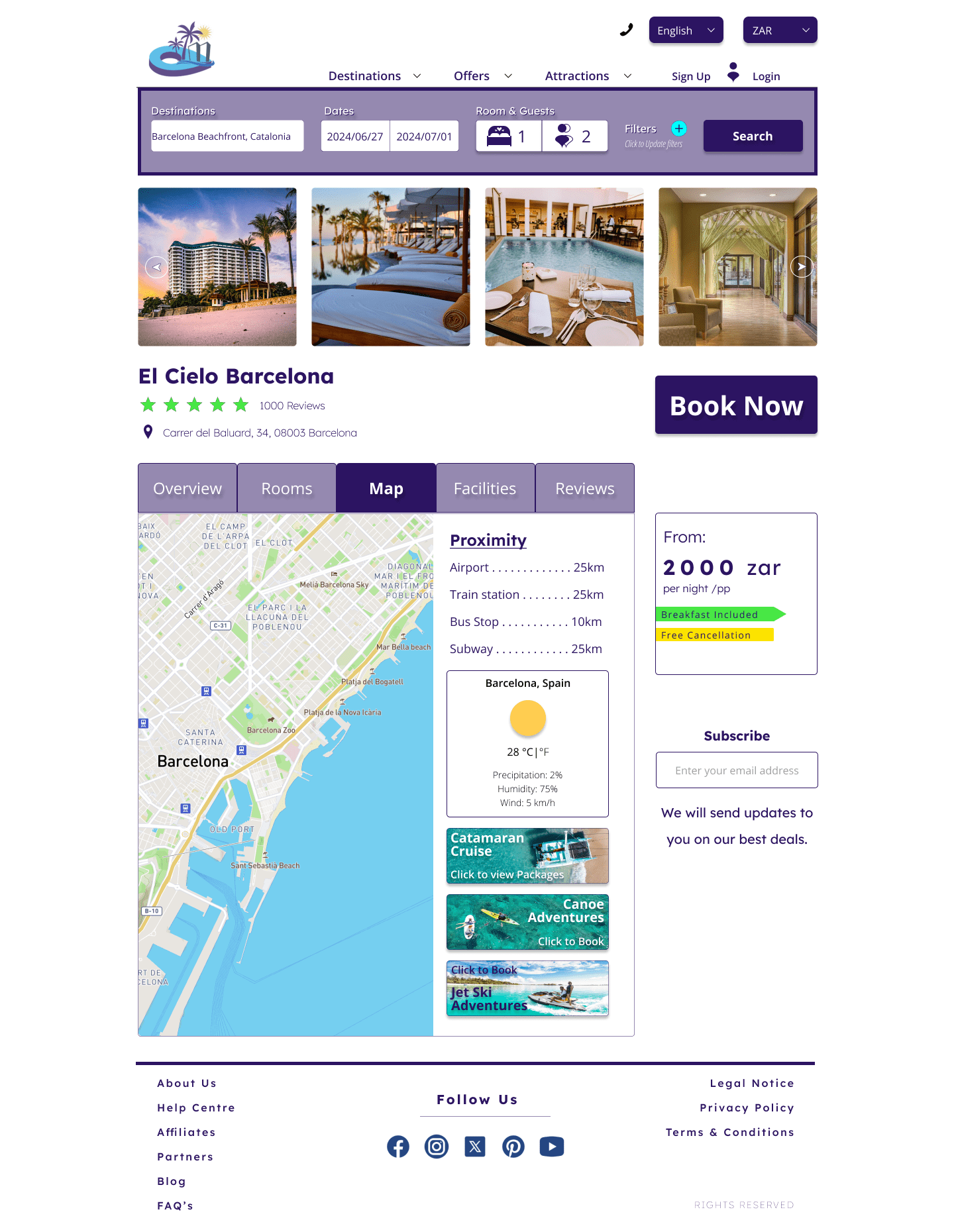
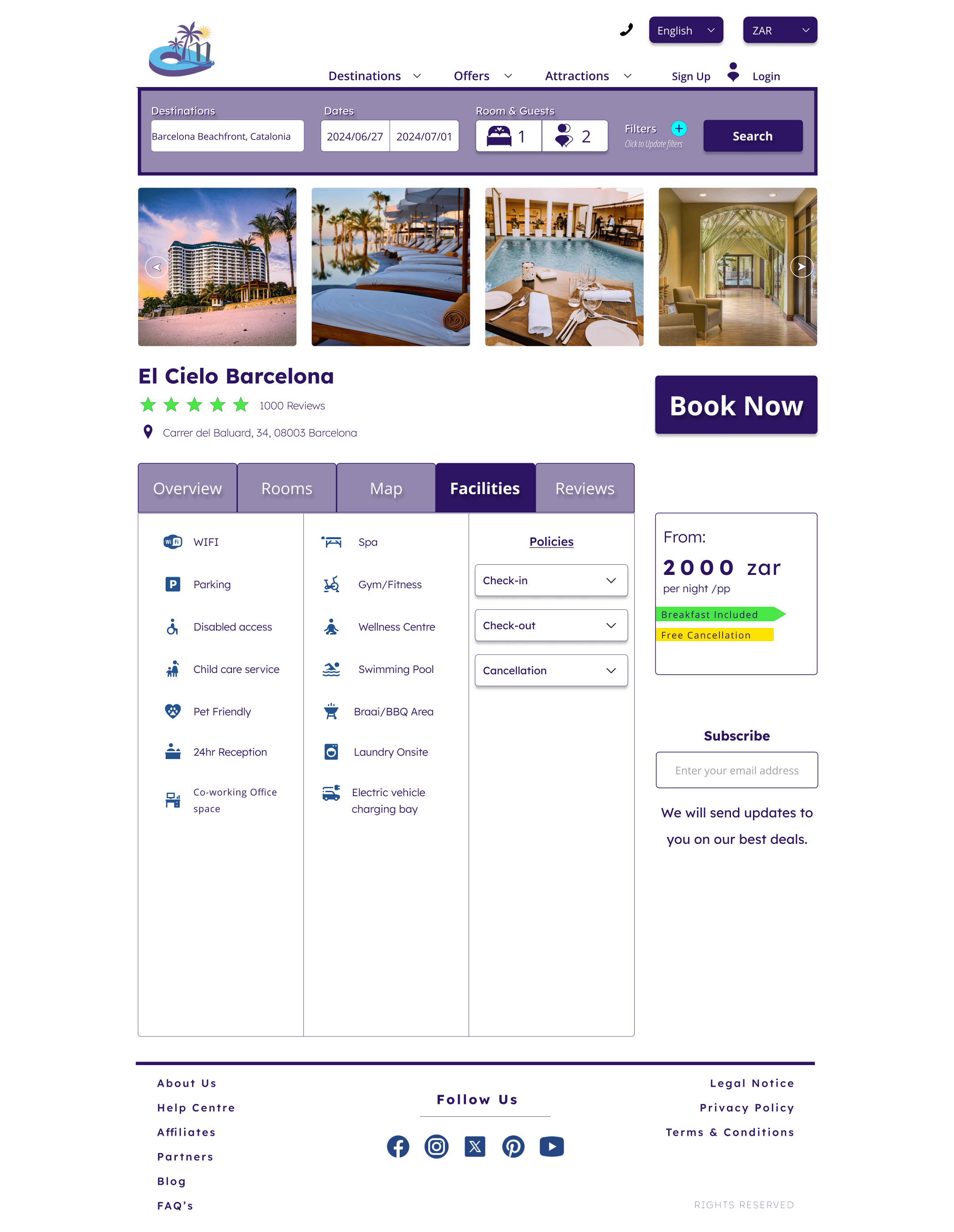
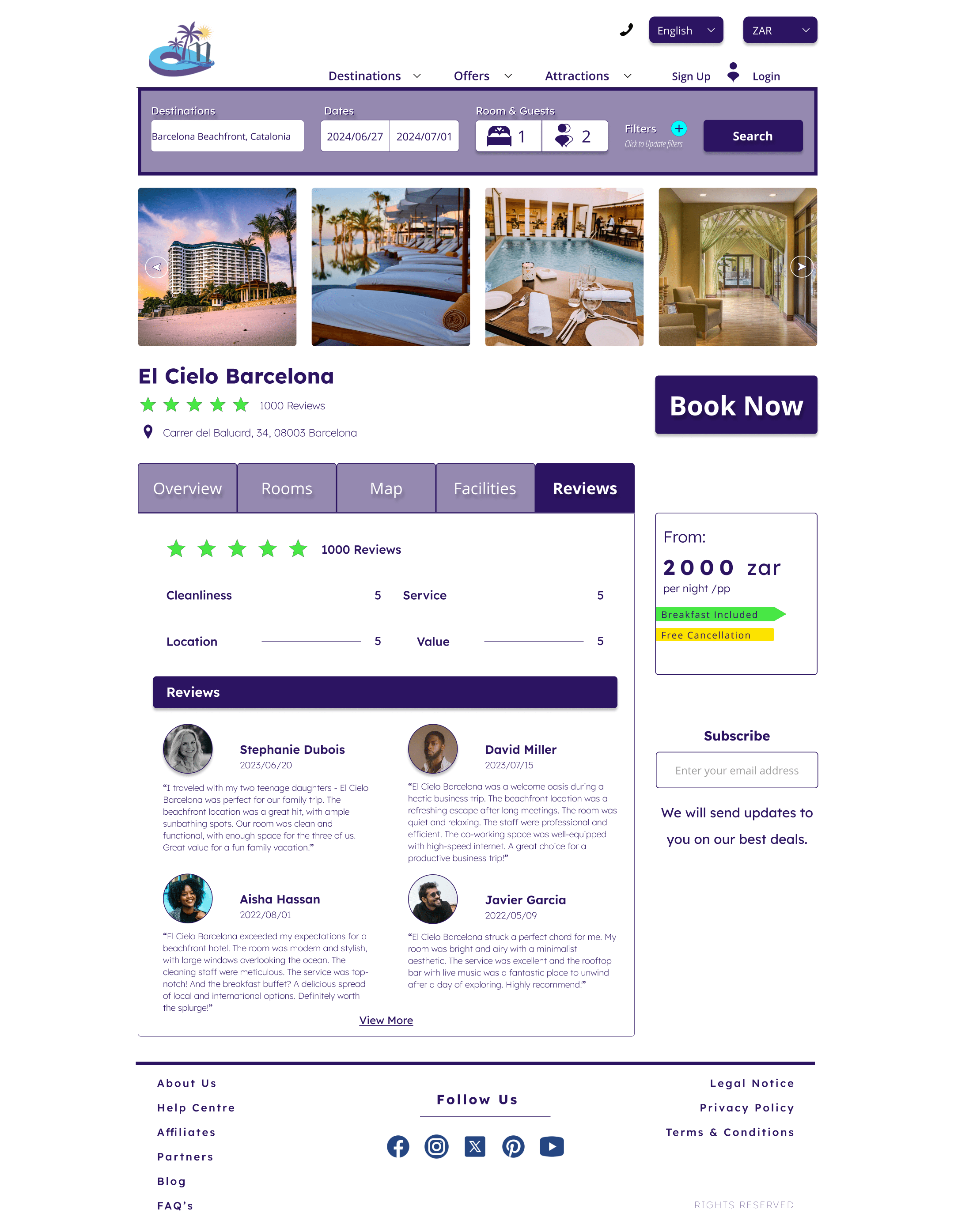
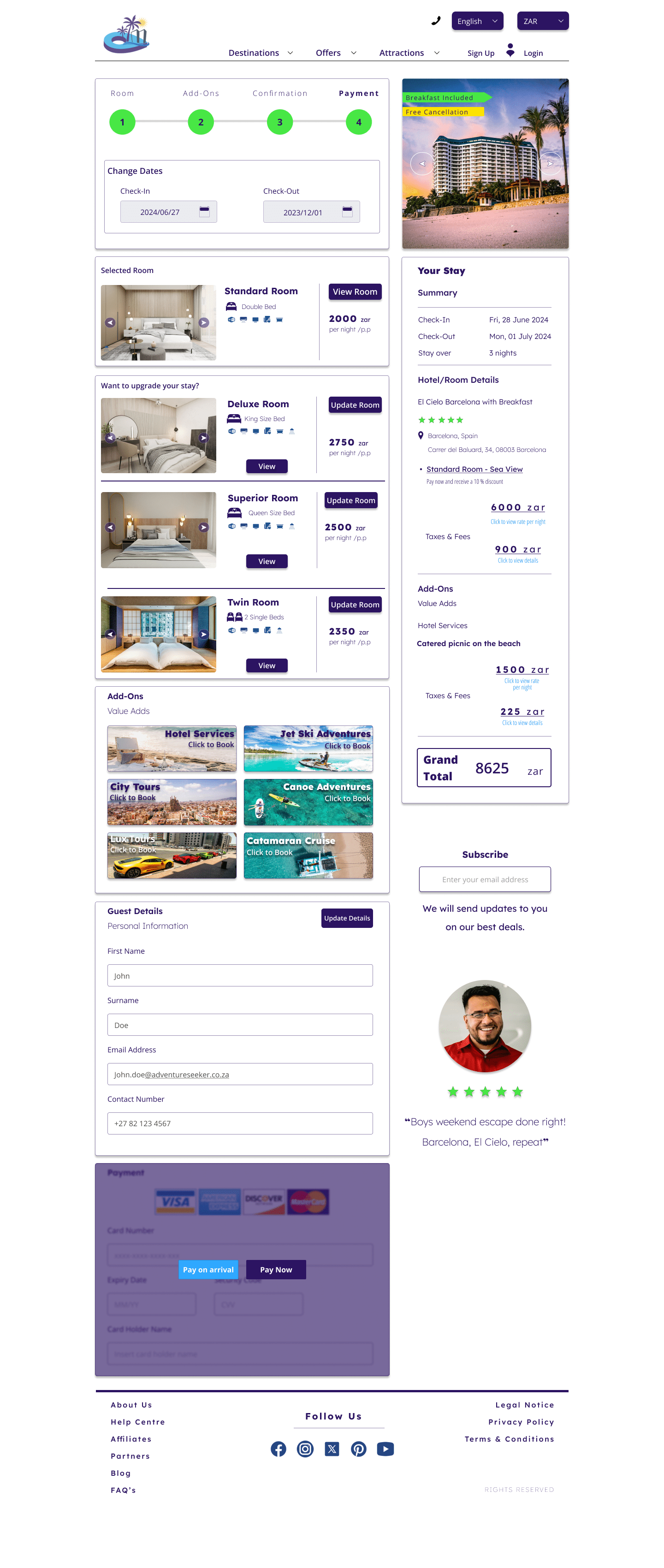
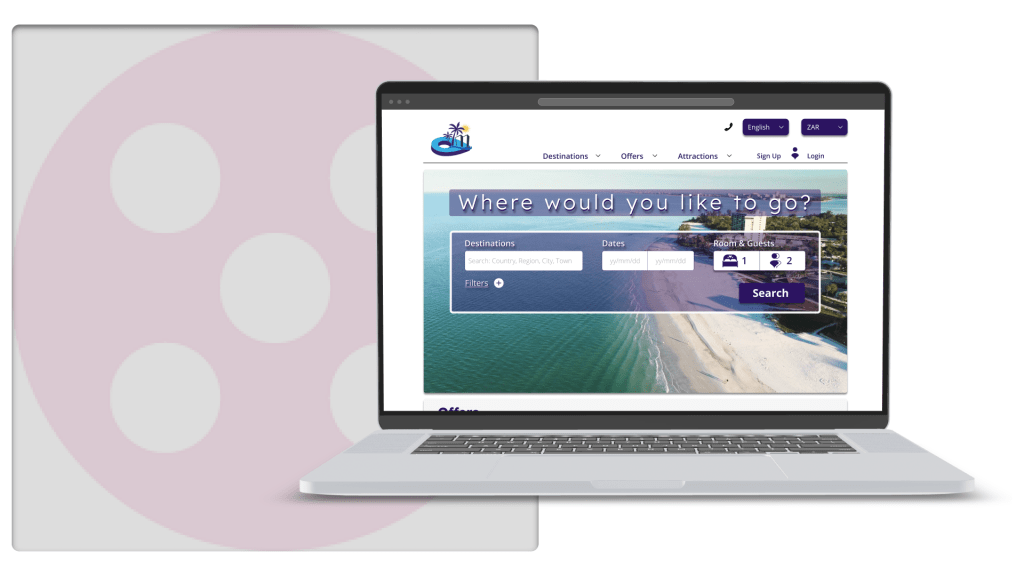
I presented a desktop website prototype with an intuitive search function, detailed hotel search results and hotel landing pages, and a streamlined booking process, with a user-friendly interface that resonated with the target users. 

  • Increased conversion rates: Improved search functionality, clear filter options, and a user-friendly calendar. Allowing users to find their ideal hotel faster, potentially increasing booking conversions.

  • Enhanced user engagement: Interactive map integrations, improved hotel and room information display, and user review visibility can all increase user engagement and time spent on the website. This could lead to higher click-through rates on add-on options and potentially increase overall revenue.

  • Reduced booking abandonment rates: Simplifying the booking process by displaying booking stages, allowing users to edit selections within the checkout process, and offering a clear cost summary can decrease cart abandonment rates.